Best Car Seats in America 2026: Top Picks for Every Age & Budget
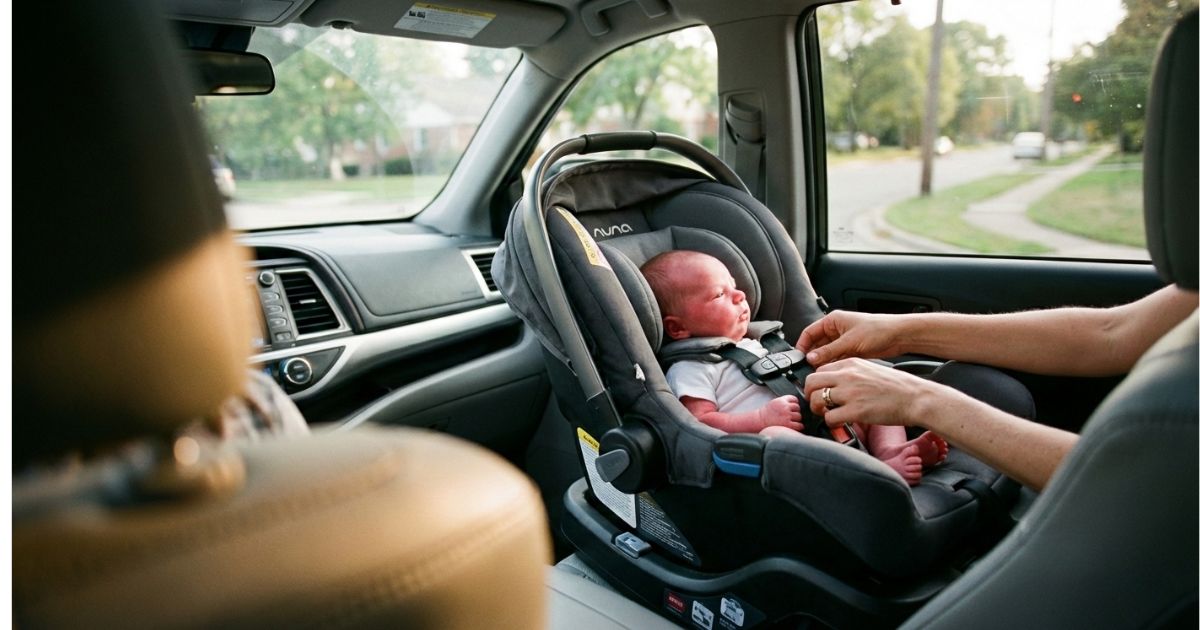
Choosing an infant car seat is one of the most important decisions a new parent will make — and it can also be one of the most overwhelming. Walk into any baby store and you’ll find dozens of options ranging from $100 to over $500. So which ones are actually the safest? We cut through the marketing claims and went straight to the data: NHTSA safety ratings, Consumer Reports crash testing, and the new 2025 Federal Motor Vehicle Safety Standards that came into effect this year. Here is everything you need to know about the best infant car seats in America for 2026, ranked by safety first.
Table of Contents
Why Safety Ratings Matter More Than Price
Here is the first thing every parent needs to hear: a more expensive car seat does not automatically mean a safer car seat. According to Emily A. Thomas, PhD, Associate Director of Auto Safety at Consumer Reports, an expensive seat may offer more premium features or fabrics — but it does not equal better crash protection. Every infant car seat sold in the United States must meet the Federal Motor Vehicle Safety Standards (FMVSS) set by NHTSA. As of June 30, 2025, all car seats on the US market are now also required to pass updated side-impact protection standards — a significant upgrade to federal requirements that directly benefits your baby.
What separates the best seats from the merely adequate ones is how far they go beyond the minimum requirements. Features like anti-rebound bars, load legs, rigid LATCH systems, and energy-absorbing foam go above and beyond federal minimums and provide a measurably greater margin of safety in real crashes.
Critical safety fact: An NHTSA study found that 79% of infant car seats showed critical misuse — either in installation or infant restraint. A separate study of 267 families by Portland’s top Children’s Hospital found that 95% of parents made at least one error when installing or positioning their infant in a car seat. This means that ease of correct installation is just as important as crash test performance.
How NHTSA and Consumer Reports Rate Infant Car Seats
Understanding how these ratings work helps you make a smarter decision.
NHTSA evaluates infant car seats on four key factors:
| NHTSA Rating Factor | What It Measures | Why It Matters |
|---|---|---|
| Ease of Use | How easy the seat is to install correctly | Hard-to-install seats get installed wrong — putting babies at risk |
| Crash Protection | How well the seat absorbs and distributes impact forces | Directly determines injury risk in a collision |
| Labels and Instructions | Clarity of installation guides and warning labels | Clear instructions reduce the 79% misuse rate |
| Vehicle Fit | How securely the seat installs across different vehicle types | A seat that fits your car securely is safer than one that doesn’t |
Consumer Reports goes further — they have conducted nearly 1,000 individual car seat installations and nearly 130 crash tests, running tests at speeds faster than federal standards and using more modern crash sled designs to better simulate real-world collisions. Their ratings represent one of the most rigorous independent car seat evaluation programs in the world.
The bottom line from Consumer Reports’ own experts: The best infant car seat is the one that fits your child, fits your car, and is easy to use — every single time.
Best Infant Car Seats in America for 2026 — Ranked by Safety
| Rank | Car Seat | Price Range | Weight Limit | Key Safety Features | Best For |
|---|---|---|---|---|---|
| 1 | Clek Liing | $550+ | 35 lbs | Lowest G-force sensor results in crash testing, rigid LATCH, anti-rebound bar, steel frame, energy-absorbing foam | Maximum crash protection, preemies (as low as 4 lbs) |
| 2 | Cybex Cloud T | $450+ | 35 lbs | Load leg technology, extended recline positions, side-impact protection, Consumer Reports top-rated 2026 | Parents who want top-tier safety plus ease of use |
| 3 | Nuna PIPA RX | $400–$500 | 32 lbs | Rigid LATCH + anti-rebound bar + load leg, steel-reinforced base, 4 recline positions, supports babies from 4 lbs | Maximum stability, preemies, safety-focused parents |
| 4 | Britax Willow S | $250–$320 | 35 lbs | Superior crash test results, deep shell design absorbs crash energy, side-impact protection, below-average price for its safety level | Best safety-to-price ratio — top pick for value-conscious parents |
| 5 | Chicco KeyFit 30 / KeyFit Max Zip ClearLux | $180–$280 | 30–35 lbs | SecureTech visual belt tension indicators, LATCH connection, superior side-impact protection, removable infant insert, highest Consumer Reports ease-of-use rating | First-time parents, easiest correct installation |
| 6 | Graco Premier Snugride Snugfit XT | $200–$250 | 35 lbs | Anti-rebound bar AND load leg, 5 recline positions, affordable for its safety feature set | Budget-conscious parents who want advanced safety features |
| 7 | Britax B-Safe 35 | $200–$280 | 35 lbs | Deep shell design, SafeCell impact protection, robust energy-absorbing base, strong NHTSA ease-of-use scores | Safety-first parents at a mid-range budget |
| 8 | Safety 1st OnBoard 35 LT | $100–$140 | 35 lbs | One-click LATCH system, accommodates 4–35 lbs, padded seat, meets all FMVSS and 2025 side-impact standards | Tightest budgets — meets all federal safety requirements |
Note on pricing: Expect to spend around $150 for a good-quality infant car seat, $150–$250 for high quality, and $300+ for premium seats with maximum safety features. According to safety experts, you should never try to save money on a car seat by choosing the cheapest option available if you can avoid it — but even a $150 seat that meets current standards and is installed correctly is far better than an expensive seat installed incorrectly.
Deep Dive: The Safest Infant Car Seats of 2026
1. Clek Liing — Best Overall Crash Protection
The Clek Liing consistently earns some of the lowest G-force sensor results in independent crash testing — meaning less force is transmitted to your baby’s body during a collision. Tested by BabyGearLab using the same professional crash test facility that NHTSA uses (MGA Research), the Liing outperformed nearly every competitor in head sensor and chest clip sensor readings. Its rigid LATCH system eliminates the movement that can occur with belt-based installations, and the anti-rebound bar prevents dangerous rotation in a rear impact. The steel frame provides structural integrity that foam-and-plastic designs simply cannot match.
The trade-off: it is heavy and expensive. But if your priority is maximum crash protection and you can afford it, this is the top choice in America in 2026. It also supports babies as small as 4 lbs, making it suitable for premature infants.
2. Cybex Cloud T — Best for Ease of Use + Safety
The Cybex Cloud T earned a spot among Consumer Reports’ top-rated infant car seats for 2026. Its load leg technology is the standout safety feature — a leg that extends from the base to the vehicle floor, dramatically reducing rotational forces during a frontal crash. This is the same technology used in European safety standards that exceed US minimums. Combined with multiple recline positions and side-impact protection that meets the new 2025 federal standards, the Cloud T is one of the most well-rounded safety choices available.
3. Nuna PIPA RX — Best Triple Safety System
The Nuna PIPA RX is one of very few infant car seats that combines three advanced safety technologies simultaneously: a rigid LATCH system, an anti-rebound bar, AND a load leg. Each of these features independently provides added crash protection — together, they make this one of the most structurally secure infant car seats sold in America. The steel-reinforced base adds further structural integrity. Like the Clek Liing, it supports babies as small as 4 lbs.
4. Britax Willow S — Best Safety-to-Price Ratio
If there is one car seat that safety experts consistently recommend for parents who want top-tier crash protection without the top-tier price, it is the Britax Willow S. BabyGearLab rated it as a high-ranking choice with better crash test analysis results than average and a below-average price for its safety level. Britax has a long history of engineering car seats that exceed federal minimum standards, and the Willow S carries that tradition while remaining accessible to more families.
5. Chicco KeyFit 30 / KeyFit Max Zip — Best for New Parents
The Chicco KeyFit line is practically synonymous with infant car seat safety in America — and for good reason. Consumer Reports rates it highly for crash protection while also giving it outstanding marks for ease of installation, which is arguably the most important practical safety factor given the 79% misuse rate documented by NHTSA. The SecureTech visual indicators on the KeyFit Max Zip ClearLux (new for 2025) turn red or green to confirm correct belt tension, taking the guesswork out of installation for first-time parents. Under $200 for the base model with high crash protection ratings makes it one of the best value propositions in infant car seat safety.
Key Safety Features to Look For in 2026
Not all safety features are created equal. Here are the ones that have the most impact on protecting your baby:
Load Leg: A leg that extends from the car seat base to the vehicle floor. Reduces rotational forces during a frontal crash by up to 50% in some tests. Now found on premium seats like the Cybex Cloud T and Nuna PIPA RX.
Anti-Rebound Bar: A bar on the back of the base that contacts the vehicle seat, preventing the car seat from rotating backward in a rear collision. The Nuna PIPA RX and Graco Premier Snugfit XT both include this feature.
Rigid LATCH System: A metal connection between the car seat base and the vehicle’s LATCH anchors, eliminating the slack that can occur with belt-based or flexible LATCH systems. Found on the Clek Liing and Nuna PIPA RX.
Side-Impact Protection: Required for all US car seats as of June 30, 2025. Uses plastic, metal, and strategic foam placement to distribute and absorb lateral crash force. All seats on this list meet or exceed the new standard.
Energy-Absorbing Foam: The type and placement of foam inside the car seat shell determines how well impact forces are absorbed and distributed away from your baby’s head, neck, and spine.
Five-Point Harness: All infant car seats use a five-point harness — two shoulder straps, two hip straps, and one crotch strap. Proper fit and tension of this harness is critical; always check that you cannot pinch excess harness webbing at the shoulder after buckling.
NHTSA Car Seat Installation Rules Every Parent Must Know
According to NHTSA, all infant car seats must be installed rear-facing. This is not optional — it is the law in all 50 states for infants, and it is the safest position for your baby’s head, neck, and spine in a collision.
Key NHTSA guidelines for infant car seat use in 2026:
Keep your baby rear-facing for as long as possible — until they reach the maximum weight or height limit specified by the car seat manufacturer. This is typically around age 2 but varies by seat and child. The rear-facing position distributes crash forces across the entire back, head, and neck rather than concentrating them on the harness straps.
For maximum safety, install the car seat in the middle of the back seat. Studies show this position provides a 43% lower risk of injury compared to a side back seat position.
Infant car seats should only be used rear-facing. Once your child outgrows the seat’s height or weight limit, transition to a convertible car seat — still in rear-facing mode — until they outgrow that as well.
LATCH vs. seat belt installation: Both are equally safe when done correctly. LATCH (Lower Anchors and Tethers for Children) is often easier for new parents to use correctly, which is why many safety experts recommend it. However, LATCH anchors have weight limits — check your vehicle manual and car seat manual for the specific limit before using LATCH.
Always register your car seat with the manufacturer at NHTSA.gov so you receive recall notifications.
Common Car Seat Installation Mistakes — And How to Avoid Them
Given that NHTSA research shows 79% of infant seats are misused, knowing the most common mistakes is as important as choosing the right seat.
Mistake 1 — Loose installation. The seat should not move more than 1 inch in any direction when you push and pull it firmly at the belt path. If it does, reinstall it and check the instructions again or visit a certified Child Passenger Safety Technician (CPST) for a free inspection.
Mistake 2 — Incorrect harness tension. The harness should be tight enough that you cannot pinch any excess webbing at the child’s collarbone. The chest clip should be at armpit level, not at the stomach or neck.
Mistake 3 — Wrong recline angle. Infants must be reclined at the correct angle to keep their airway open and support their head. Most seats have a built-in level indicator — always check it. A baby whose head falls forward is at risk of positional asphyxia.
Mistake 4 — Skipping base registration and recall checks. Visit NHTSA.gov to check for any recalls on your specific car seat model before and after purchase.
Mistake 5 — Using an expired car seat. Car seats expire — typically 6 to 10 years after manufacture. Check the expiration date printed on the bottom or back of your seat, and never use a car seat that has been involved in a moderate or severe crash, even if it looks undamaged.
Pro tip: Find a free car seat inspection and installation check at a certified Child Passenger Safety Technician (CPST) near you using NHTSA’s official locator at nhtsa.gov.
How Much Should You Spend on an Infant Car Seat?
This is one of the most common questions new parents ask — and the answer is more nuanced than most shopping guides admit.
| Budget Level | Price Range | What You Get | Top Pick |
|---|---|---|---|
| Budget | $100–$150 | Meets all federal safety standards including 2025 side-impact rules. Fewer advanced features. | Safety 1st OnBoard 35 LT |
| Mid-Range | $150–$280 | High crash protection ratings, excellent ease of use, some advanced features like load leg or anti-rebound bar | Chicco KeyFit 30, Britax Willow S, Britax B-Safe 35 |
| Premium | $300–$550+ | Maximum crash protection, multiple advanced safety technologies combined, rigid LATCH, suitable for preemies | Clek Liing, Cybex Cloud T, Nuna PIPA RX |
The key insight from safety experts: you can find excellent crash protection at the $150–$250 price point. The most important factor is not price — it is correct installation and proper use every single time your baby is in the car.
This might interest you : Car Accident Seat Belt Injuries
Frequently Asked Questions About Infant Car Seat Safety
What is the safest infant car seat in America in 2026?
Based on independent crash testing using NHTSA-standard protocols, the Clek Liing consistently produces the lowest G-force sensor results, indicating the least force transmitted to the baby during a crash. The Nuna PIPA RX and Cybex Cloud T are close runners-up with their combination of load leg, rigid LATCH, and anti-rebound bar features.
Are all infant car seats equally safe?
No. While all car seats sold in the US must meet the minimum Federal Motor Vehicle Safety Standards, there is significant variation in how far above those minimums different seats perform. Crash testing by Consumer Reports and independent labs like BabyGearLab consistently shows measurable differences in the G-forces transmitted to crash dummies during testing.
How long should my baby stay in an infant car seat?
Until they reach the maximum weight or height limit specified by the seat’s manufacturer — typically around 2 years of age but varying by child and seat. Keep your baby rear-facing for as long as possible. Once they outgrow the infant seat, transition to a convertible car seat in rear-facing mode.
Is LATCH safer than using a seat belt to install?
Both are equally safe when done correctly. LATCH can be easier to use correctly for many parents, which in practice may make it slightly safer due to the high misuse rate. However, LATCH anchors have combined weight limits — check your vehicle’s owner manual before using LATCH.
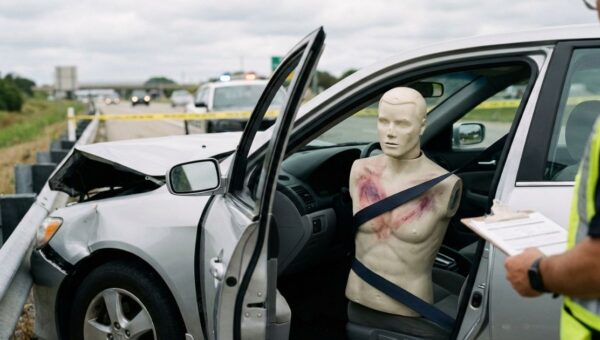
Do I need to buy a new car seat after a car accident?
NHTSA recommends replacing a car seat after any moderate or severe crash, even if it looks undamaged. After a minor crash (low speed, no injuries, doors still open, no airbag deployment, no visible seat damage), replacement may not be necessary — but check NHTSA guidelines and your seat manufacturer’s policy first.
Are more expensive car seats safer?
Not automatically. Consumer Reports’ Emily Thomas, PhD, states clearly that an expensive seat may offer better features or fabrics but does not necessarily equal better crash protection. The Chicco KeyFit at under $200 earns high crash protection ratings comparable to seats costing three times as much. Buy the highest safety-rated seat you can afford and install it correctly.
What do the new 2025 infant car seat standards require?
As of June 30, 2025, all car seats sold in the United States must meet updated side-impact protection standards. This is a significant improvement over previous federal requirements. All seats on our list above meet or exceed this new standard.
How do I find a free car seat inspection near me?
NHTSA maintains a searchable locator of certified Child Passenger Safety Technicians (CPSTs) who offer free car seat inspections. Visit nhtsa.gov and use their inspection station finder to locate the nearest certified technician in your area.
Conclusion
Finding the best infant car seat in America in 2026 comes down to three things: verified safety ratings from NHTSA and Consumer Reports, advanced protective features that go beyond federal minimums, and correct installation every single time. The Clek Liing leads on pure crash protection. The Chicco KeyFit leads on ease of correct installation. The Nuna PIPA RX and Cybex Cloud T offer the best combination of advanced safety technologies for parents who want maximum protection.
But remember what every safety expert agrees on: the best infant car seat is the one that fits your child, fits your car, and that you will install correctly every single time. A $500 seat installed incorrectly is more dangerous than a $150 seat installed perfectly. When in doubt, visit a certified Child Passenger Safety Technician at nhtsa.gov for a free inspection — your baby’s safety is worth 30 minutes of your time.