Is There a New SUV Called the UConn? How a NYT Puzzle Fooled Millions of Car Lovers
Somewhere in America last Wednesday, thousands of people picked up their phones and typed the exact same question into Google: “What is a veno car?” Across the country, equally confused searchers were hunting for something called a “trouper car” and, most bafflingly, a “uconn car”. Google Trends lit up like a Christmas tree — these three terms saw a combined search volume spike of over 2,000% in a single day. The automotive internet went into a brief, glorious panic. Was there a secret new SUV launch nobody told us about? Had a startup automaker dropped a stealth product reveal? Had the entire car industry collectively missed something massive?
The answer, as it turns out, is far more entertaining — and deeply, uniquely American.
The Truth Revealed: The NYT Connections Effect
On June 11, 2026, the New York Times “Connections” puzzle accidentally created three “ghost car trends” overnight — sending millions of confused Americans straight to Google’s search bar.
The chaos didn’t originate from Detroit, Tokyo, or Stuttgart. It came from a word puzzle. Specifically, the New York Times Connections game — a daily brain teaser where players must group 16 words into four hidden categories — dropped its June 11, 2026 puzzle, and two of its four categories sent shockwaves through Google’s automotive search data in ways nobody could have predicted.
The puzzle featured two categories that, to the untrained eye (and even the trained one), sounded suspiciously like car names. The first was “SUV Homophones” — words that sounded like real SUVs but weren’t. The second was “Payment Apps Minus a Letter” — popular financial apps with a single character removed. When millions of players saw words like “Trouper,” “UConn,” and “Veno” scattered across the puzzle grid, their brains did what American brains do best: they assumed these were cars and reached for Google.
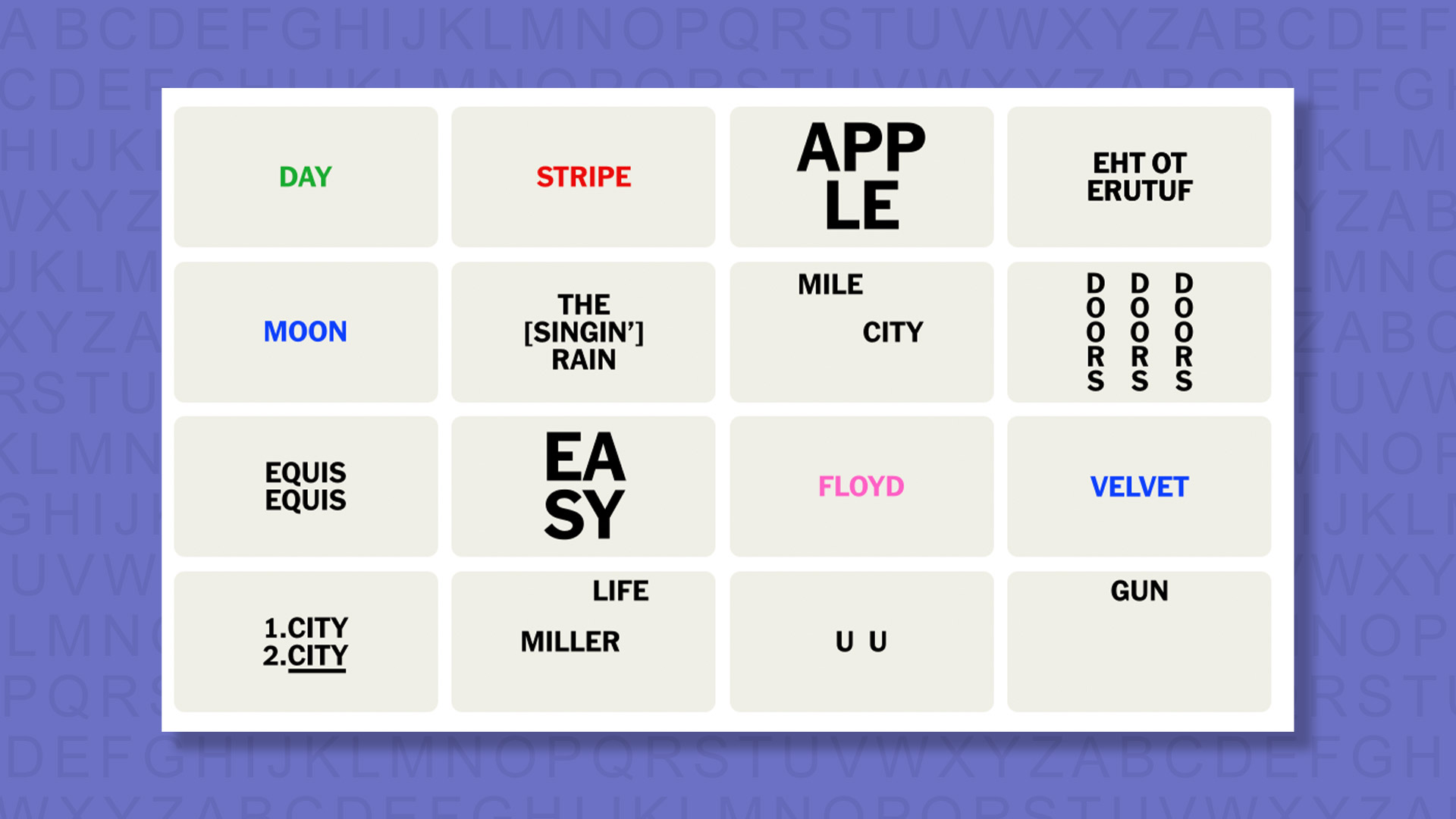
The NYT Connections game has become a daily ritual for millions of Americans, rivaling Wordle in its cultural grip. But unlike Wordle’s five-letter boxes, Connections deals in words — and when those words happen to sound like vehicle names, the results are as predictable as they are hilarious. The puzzle essentially weaponized phonetic similarity against the entire American car-buying public, and Google’s servers felt every single confused click.
The “Ghost Cars” That Broke Google Trends
Let’s break down exactly what happened, because the specifics are where this story gets really good. Here’s the full breakdown of the fake cars vs. real SUVs that had the internet in a chokehold:
| “Fake Car” (Puzzle Word) | What It Actually Was | Real SUV It Sounds Like |
|---|---|---|
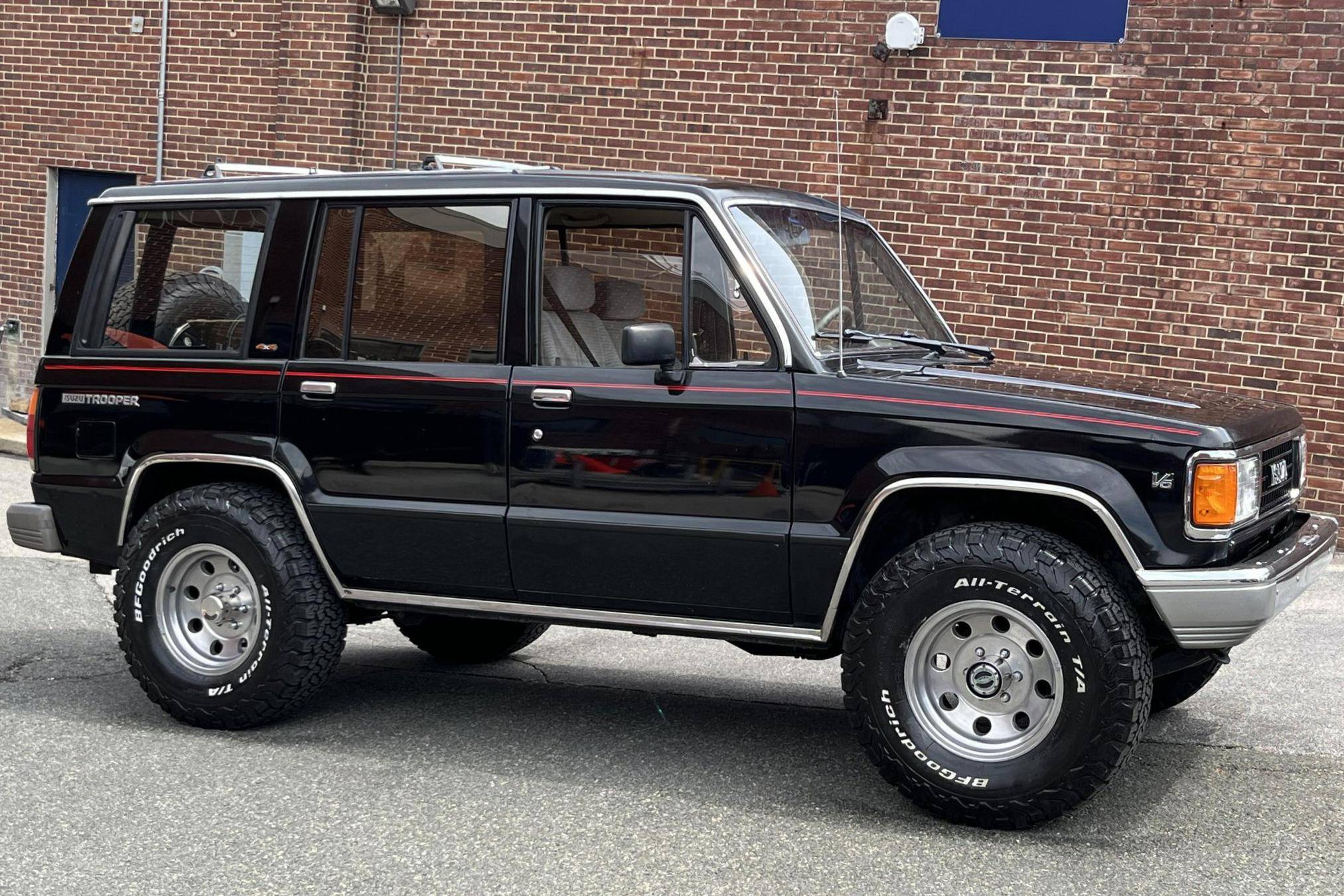
| Trouper | Word meaning “a reliable person” (part of “SUV Homophones” category) | Isuzu Trooper — the legendary 1990s SUV |
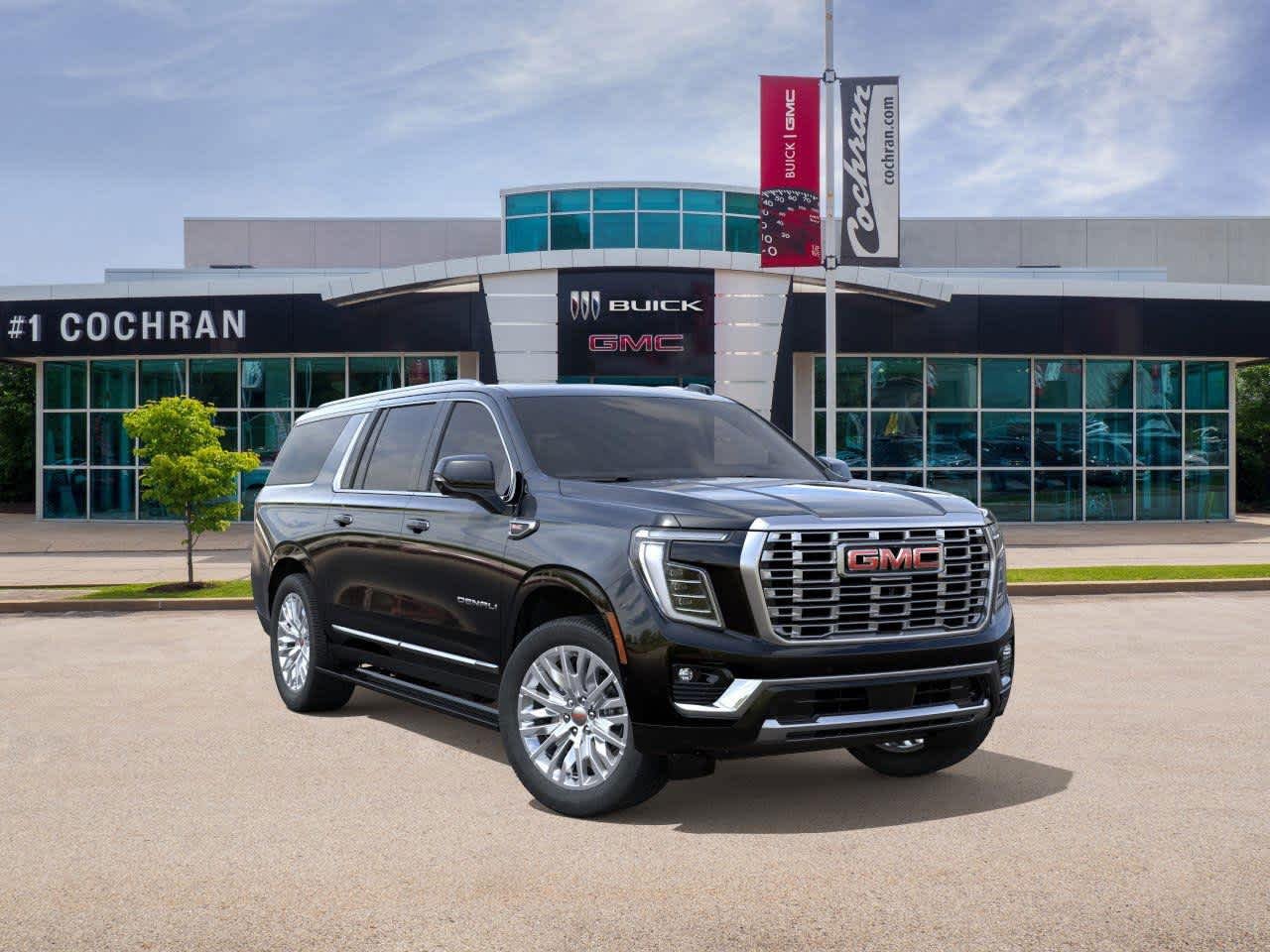
| UConn | University of Connecticut abbreviation (part of “SUV Homophones” category) | GMC Yukon — America’s full-size SUV king |
| Veno | “Venmo” minus the letter “M” (part of “Payment Apps Minus a Letter” category) | Nothing — pure confusion |
The “veno car” searches were perhaps the most comedy-rich of the bunch. Players who couldn’t figure out the “Payment Apps Minus a Letter” category simply assumed “Veno” must be some kind of vehicle they’d never heard of — and off to Google they went. The search volume for this nonexistent car briefly outpaced searches for some actual, real, honest-to-God automobiles. That’s the power of a viral puzzle in 2026.
The Real SUVs Behind the Confusion
Here at carqly, we can’t let a good automotive mix-up go without giving credit where it’s due — because the real SUVs that these puzzle words sounded like are genuinely legendary machines in American automotive history.
The Isuzu Trooper and GMC Yukon are both genuine American road legends — which is exactly why millions of puzzle players assumed they were hearing about new models.
The Isuzu Trooper, produced from 1981 to 2005, was one of the original imports that proved Japanese automakers could build serious off-road SUVs. It was boxy, rugged, and unapologetically utilitarian — a proper 4×4 that earned a loyal following long before the SUV craze consumed mainstream America. If you grew up in the ’90s, you knew someone whose dad drove a Trooper. It was the kind of truck-based SUV that didn’t care about luxury; it cared about getting you through mud, snow, and whatever else you threw at it.
And then there’s the GMC Yukon — a nameplate that needs zero introduction to any American who’s ever set foot in a suburb. The Yukon has been General Motors’ full-size SUV flagship since 1992, and it currently dominates the large SUV segment alongside its Chevrolet Tahoe sibling. With seating for up to eight, towing capacity that rivals some pickups, and a presence that commands every parking lot it enters, the Yukon is as American as apple pie and interstate highways. When NYT Connections players heard “UConn” and their brains auto-corrected it to “Yukon,” you can hardly blame them — the two words share a near-identical phonetic fingerprint.
The Power of Digital Trends in 2026
What makes this entire episode fascinating — beyond the sheer comedy of it — is what it reveals about how latest automotive trends 2026 are no longer shaped solely by car manufacturers. A simple word game, played by millions on their morning commutes, instantly warped Google’s search algorithms and created “ghost” car trends that briefly existed in the digital ether. For a few hours, “veno car” and “trouper car” were trending automotive terms in the United States — and they don’t correspond to any vehicles that have ever existed.
This is the new reality of search-driven content. When millions of people simultaneously search for the same non-existent product, Google’s algorithm doesn’t know it’s fake. It sees volume, intent, and urgency — and it serves results accordingly. For automotive publishers who understood what was happening (like us here at carqly), it was a golden opportunity to capture traffic that traditional car blogs completely missed because they didn’t understand why the trend existed in the first place.
The NYT Connections car clue phenomenon is a perfect case study in how cultural moments can create sudden, massive search demand in completely unexpected niches. It’s the kind of SEO loophole that doesn’t come around often — and the automotive sites that recognized it early stood to gain thousands of organic visits in a single day.
So, Were You Fooled?
Let’s be honest — if you’re reading this, there’s a decent chance you were one of the millions who typed “veno car” into Google last Wednesday. And that’s nothing to be ashamed of. The human brain is wired to find patterns, and when you’re staring at a grid of words under time pressure, “Trouper” looking suspiciously like “Trooper” and “UConn” sounding exactly like “Yukon” is a connection (pun absolutely intended) that almost anyone would make.
The real takeaway here? Sometimes the biggest automotive trends don’t start in a showroom or on a press stage — they start on a puzzle app, in the hands of bored Americans looking for their next dopamine hit. And if you’re smart about it, you can turn a word game into a traffic windfall.
Were you among the players fooled by the puzzle? Did you also Google “trouper car” at 7 AM while sipping your coffee? Drop a comment below and let us know — because misery loves company, and at carqly, we’re all in this together.