Tesla’s FSD Crackdown: Remote Disabling, Regulatory Hurdles, and Europe’s Waiting Game
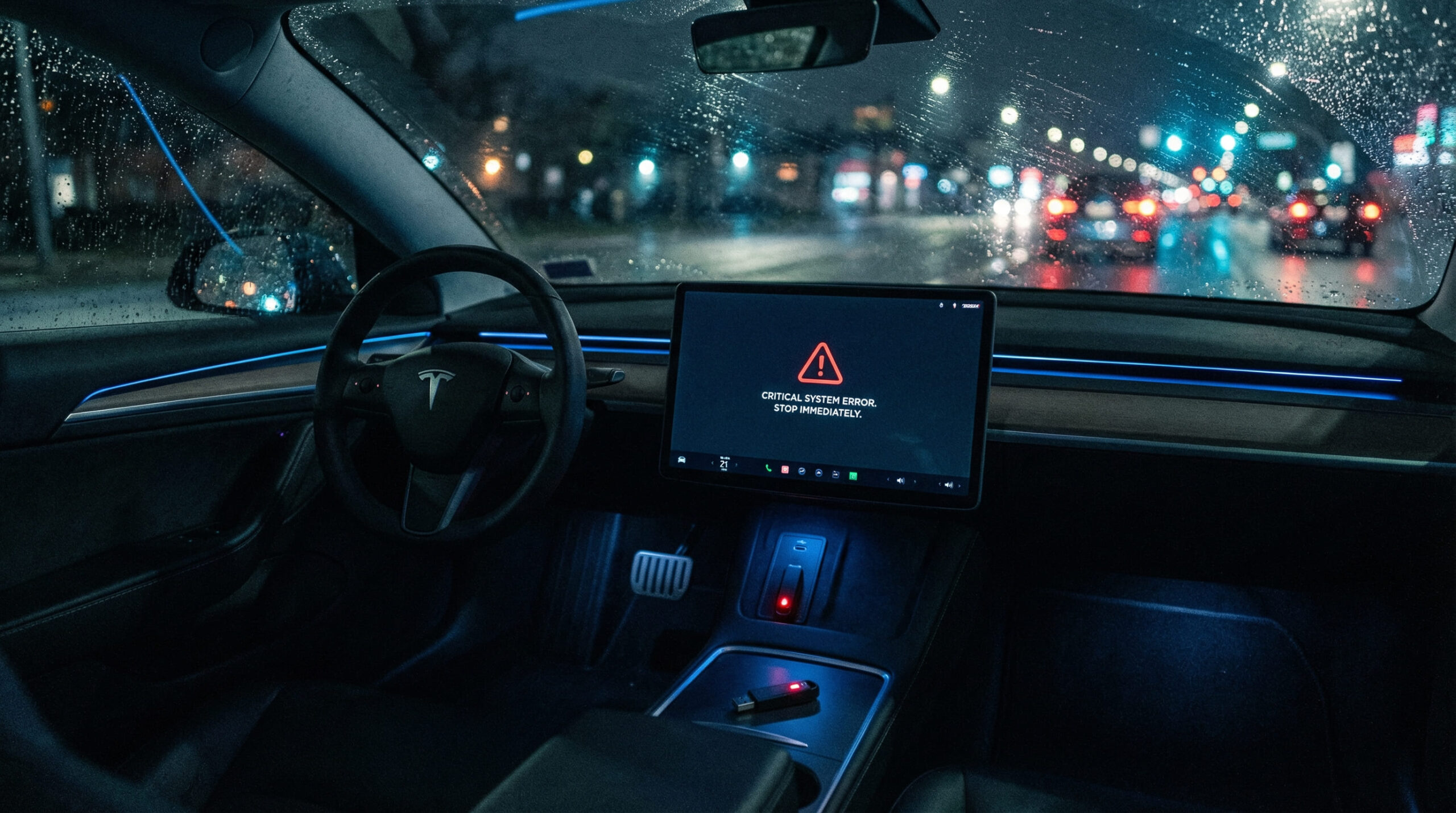
In the rapidly evolving landscape of automotive technology, few topics ignite as much passion and controversy as Tesla’s Full Self-Driving (FSD) system. Touted as the future of mobility, FSD promises a revolutionary driving experience. Yet, for many eager Tesla owners in Europe, that future has remained just out of reach, trapped in a cycle of regulatory reviews and unfulfilled promises. This frustration has led some to take matters into their own hands, employing ingenious hacks to activate FSD in regions where it’s not yet officially permitted. Now, Tesla is fighting back, remotely disabling these unauthorized activations and sending a clear message to those bypassing its geofencing. This digital crackdown comes at a particularly sensitive juncture, as the Dutch regulatory authority RDW, a key gatekeeper for FSD’s European rollout, continues its meticulous assessment, leaving millions of European Tesla enthusiasts in a prolonged waiting game. What does this mean for the ownership experience, the legal landscape, and the highly anticipated arrival of FSD in the EU? Let’s dive in.
The €500 Hack That Sparked a Digital Showdown
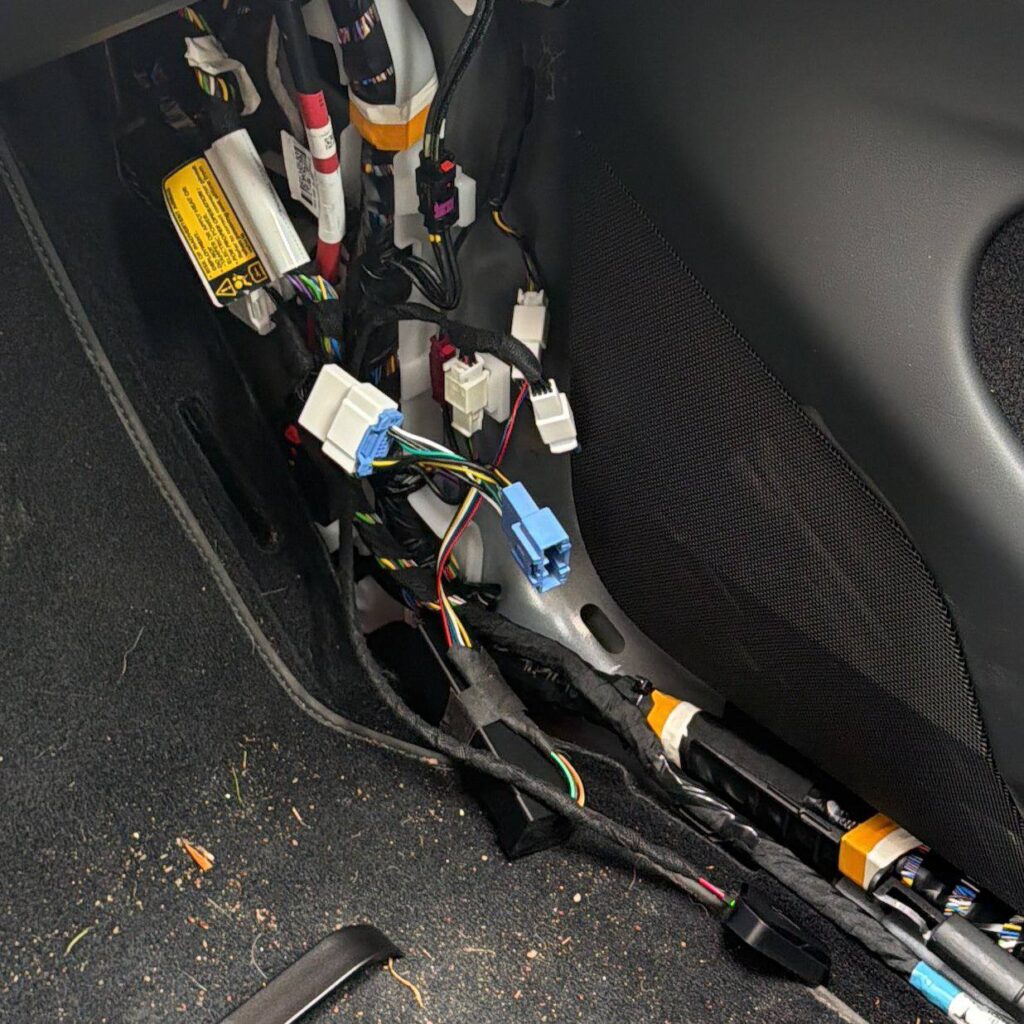
For European Tesla owners, the allure of FSD has been strong, but its official availability has been perpetually delayed. This prolonged wait fostered a grey market for unauthorized devices designed to bypass Tesla’s regional software locks and geofencing. These devices, often small, USB-like hardware modules costing around €500, plug directly into a Tesla’s Controller Area Network (CAN) bus, enabling FSD (Supervised) functionality in regions where it hasn’t received regulatory approval .
The concept gained traction after developers demonstrated how CAN bus devices could unlock Tesla’s software-locked features by piggybacking on the infotainment system. This led to a cottage industry, particularly in Europe, catering to owners frustrated by missed deadlines and the slow pace of FSD approval .
Tesla’s Swift and Severe Response
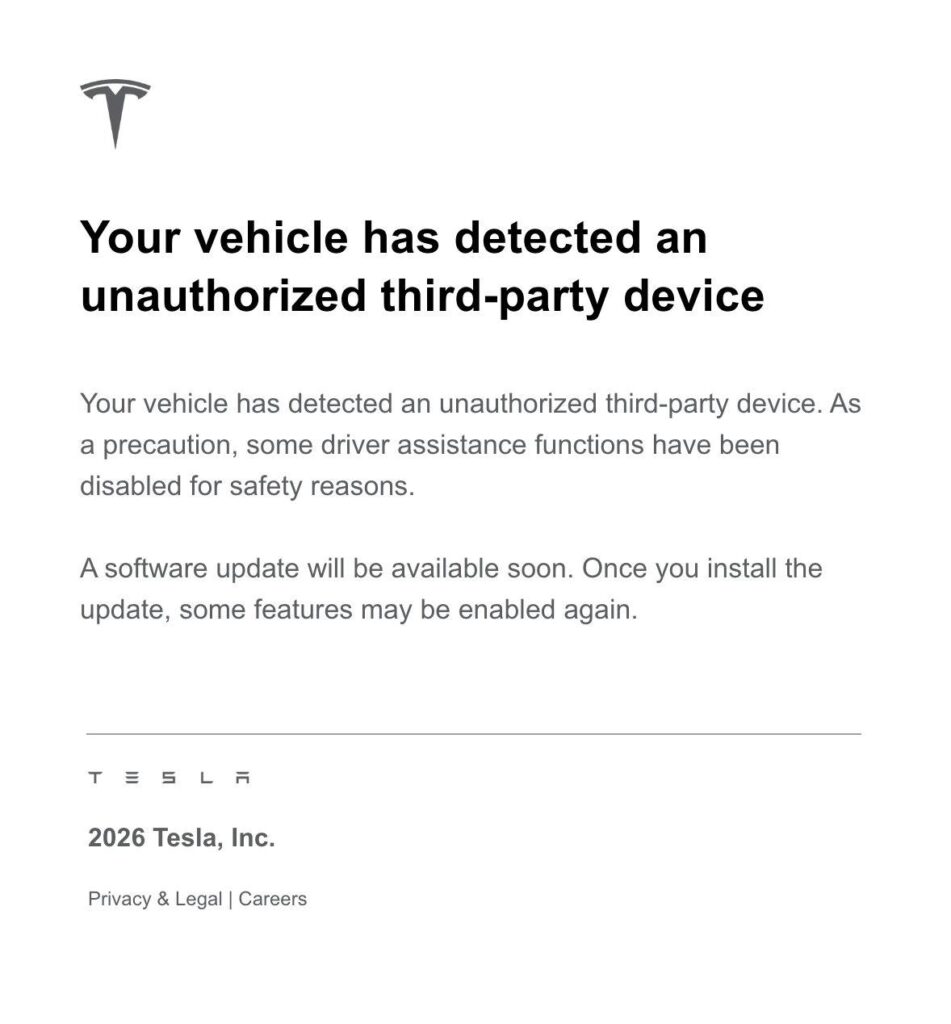
Tesla, with its connected vehicle architecture, maintains full visibility into its cars’ software and hardware. The company has been actively monitoring vehicle logs for abnormal behavior, and its response to detecting unauthorized CAN bus devices has been decisive and severe .
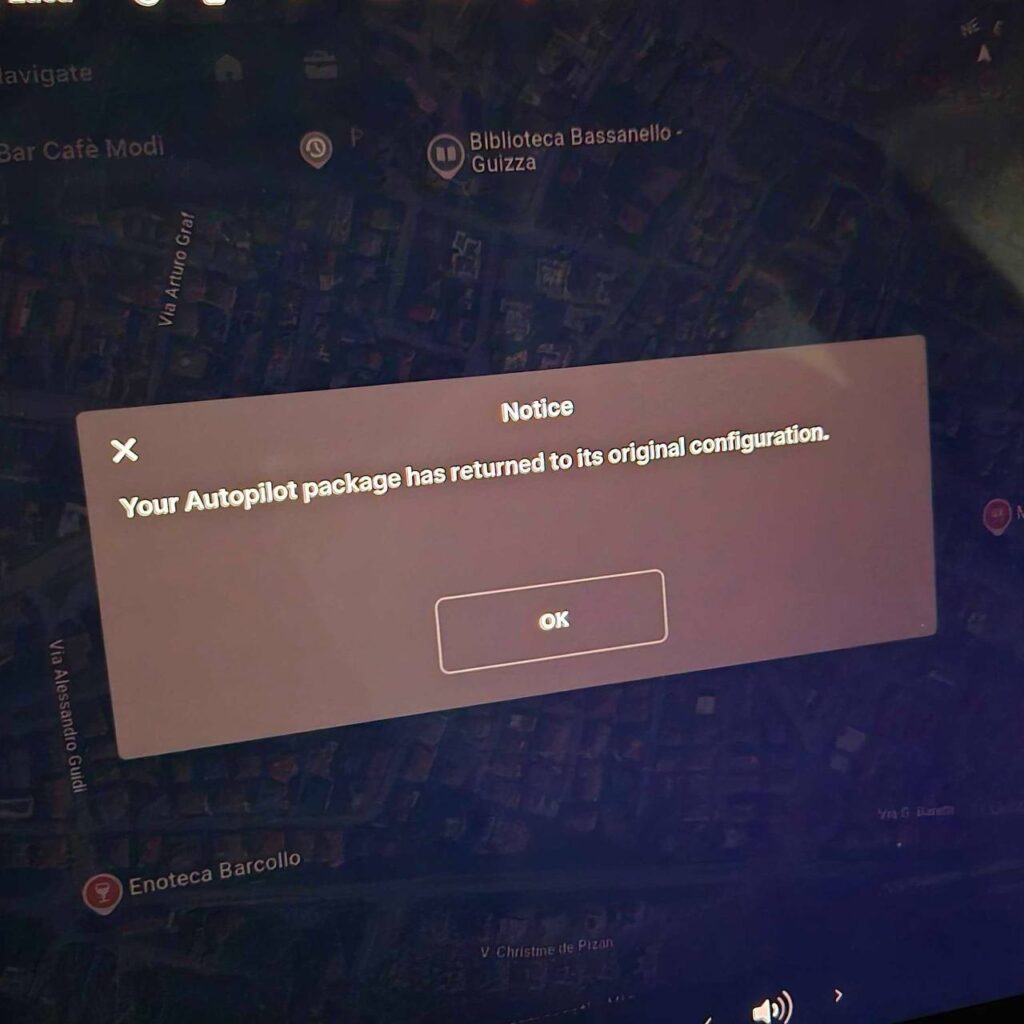
Owners who activated FSD through these hacks have reported receiving in-vehicle notifications and emails from Tesla, informing them that their FSD access has been permanently revoked. In some cases, even those who had paid for FSD found their driver-assistance service packages reset to standard Autopilot configurations, stripping away advanced features . Tesla’s communication to affected owners has been stark, warning them that they are “100% liable for any accident that occurs” while using unauthorized devices and that the company “reserves the right to refuse warranty repairs regardless of whether the device actually caused the damage.” Tesla has also labeled these devices a “cybersecurity threat,” citing potential vulnerabilities .
This isn’t an isolated incident; Tesla has a history of remotely removing features it deems unauthorized, including stripping Autopilot from used vehicles sold through third-party dealers .
Legal Ramifications: Beyond Software Revocation
The consequences of using FSD hacks extend beyond losing access to a software feature. In some jurisdictions, these actions carry significant legal penalties. For instance, in South Korea, where FSD (Supervised) is available but restricted to specific US-built models, the Ministry of Land, Infrastructure and Transport has classified the use of these hack devices as criminal activity. Unauthorized vehicle modifications can lead to up to two years in prison or substantial fines . This aggressive stance highlights the serious view regulators take on unauthorized alterations to vehicle safety systems.
Europe’s FSD Waiting Game: The RDW Factor
The timing of Tesla’s crackdown is particularly critical given the ongoing regulatory assessment of FSD in Europe. The Dutch regulatory authority, RDW, plays a pivotal role in this process, as its approval is expected to pave the way for FSD’s broader rollout across the EU .
Tesla Europe had previously published messages on X (formerly Twitter) mentioning expected approval dates, which have been repeatedly pushed back. The RDW has acknowledged the significant public and media interest in Tesla’s application, noting that it typically does not comment on manufacturers’ applications due to their market-sensitive nature .
As of late March 2026, the RDW confirmed that Tesla is indeed in the final phase of the assessment process. This involves a thorough review of test results and data analysis from an intensive testing program initiated approximately 18 months prior. The RDW emphasizes that (road) safety is paramount in its decision-making process .
Despite the ongoing assessment, sources close to the situation suggest that the RDW may not grant approval for FSD a second time, meaning European users could face further delays. This uncertainty adds to the frustration of owners who have been eagerly awaiting FSD’s official launch .
The Road Ahead: A Complex Intersection of Innovation and Regulation
The situation surrounding Tesla’s FSD hacks and the RDW’s approval process underscores a complex interplay between technological innovation, user demand, corporate control, and regulatory oversight. While Tesla aims to protect its intellectual property and ensure the safe deployment of its technology, the delays in regulatory approval have created a vacuum that some owners have attempted to fill through unauthorized means.
The outcome of the RDW’s decision will not only impact Tesla’s European strategy but also set a precedent for how advanced driver-assistance systems are introduced and governed across the continent. For now, European Tesla owners continue their waiting game, caught between the promise of FSD and the realities of regulatory caution.
References
[1] Tesla cracks down on FSD hacking devices, remotely shuts down access | Electrek