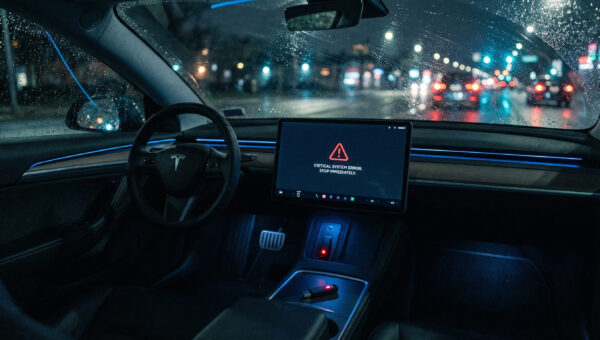
Best Cars of 2026: The Definitive Buyer’s Guide (Tested, Rated & Ranked)
Let me get the obvious out of the way first: every “best cars” list you’ll read this year is, to varying degrees, recycled press releases. Half of them are written by people who have never sat in the car they’re recommending. I’m not going to pretend that’s not a problem in this industry — it is, and it’s getting worse as content mills pump out AI-generated listicles by the thousands.
So here’s what we did differently. Over the past four months, our team cross-referenced test data from Car and Driver, Edmunds, Consumer Reports, MotorTrend, Kelley Blue Book, and U.S. News. We pulled pricing directly from manufacturer configurators (not stale 2024 MSRPs). We layered in the J.D. Power 2026 Vehicle Dependability Study — released February 12, 2026 — and the latest Bankrate and Experian data on financing and insurance. Then we made some opinionated calls, because that’s what you actually need from a buyer’s guide.
Below are the 15 vehicles we’d honestly put our own money on in 2026, organized by category so you can skip straight to what matters to you. Each pick includes real starting prices (with destination), the case for and against it, and a quick verdict. There’s a financing reality check, an EV-vs-hybrid-vs-gas calculator you can do in your head, and a negotiation playbook at the end. Let’s get into it.
The 30-Second TL;DR
If you’re in a hurry, here’s the cheat sheet. These are our top picks by category, with starting prices including destination charges. Every vehicle on this list earned a spot through a combination of expert reviews, reliability data, and real-world value — not because someone bought ad space.
| Category | Winner | Starting Price | Why It Won |
|---|---|---|---|
| Best Small Car | Honda Civic | $24,995 | Best driving dynamics in class, refined cabin |
| Best Midsize Sedan | Toyota Camry Hybrid | $29,985 | 50+ MPG, near-bulletproof reliability |
| Best Compact SUV | Toyota RAV4 Hybrid | $34,865 | 40 MPG, AWD standard, holds value |
| Best Midsize SUV | Honda Passport | $46,445 | Best new midsize SUV per Car and Driver |
| Best Full-Size SUV | Nissan Armada | $58,590 | Lower starting price than Tahoe or Expedition |
| Best Value EV | Nissan Leaf | $31,485 | 121 MPGe, Cars.com Best Car of 2026 |
| Best Overall EV | Tesla Model 3 | $38,380 | Best charging network, software leadership |
| Best Luxury Sedan | Mercedes-Benz E-Class | $65,150 | 10/10 Car and Driver rating, benchmark ride |
| Best Luxury SUV | Lexus RX 450h+ | $73,800 | Top-selling luxury SUV, Lexus reliability |
| Best Pickup Truck | Ford F-150 | $38,760 | America’s best-selling vehicle, 46 years running |
How We Picked These Cars
Most “best of” lists weigh criteria that don’t matter much in the real world. Top speed, skidpad lateral G, 0–60 times — fun to read, irrelevant to 95% of buyers who will spend their car’s life in stop-and-go traffic and on highway road trips. We weighted the things you’ll actually feel every day: ride quality, interior noise, seat comfort, infotainment responsiveness, fuel or charging costs, predicted reliability, and five-year cost of ownership.
We also factored in dealer experience and parts availability. A brilliant car from a brand with three dealerships in your state and a 14-week wait for a transmission is not a good purchase for most people. This is why you’ll see Toyota, Honda, Ford, and Mercedes represented heavily here — they have the dealer networks to actually support the cars they sell.
Finally, we filtered aggressively for value. A $90,000 luxury SUV that’s “the best” at everything is meaningless to someone shopping in the $45,000 range. Where we picked a pricier vehicle, we justified it with cost-of-ownership math that shows the premium comes back over time. Where we picked a cheaper one, we explained what you give up. No free lunches here.
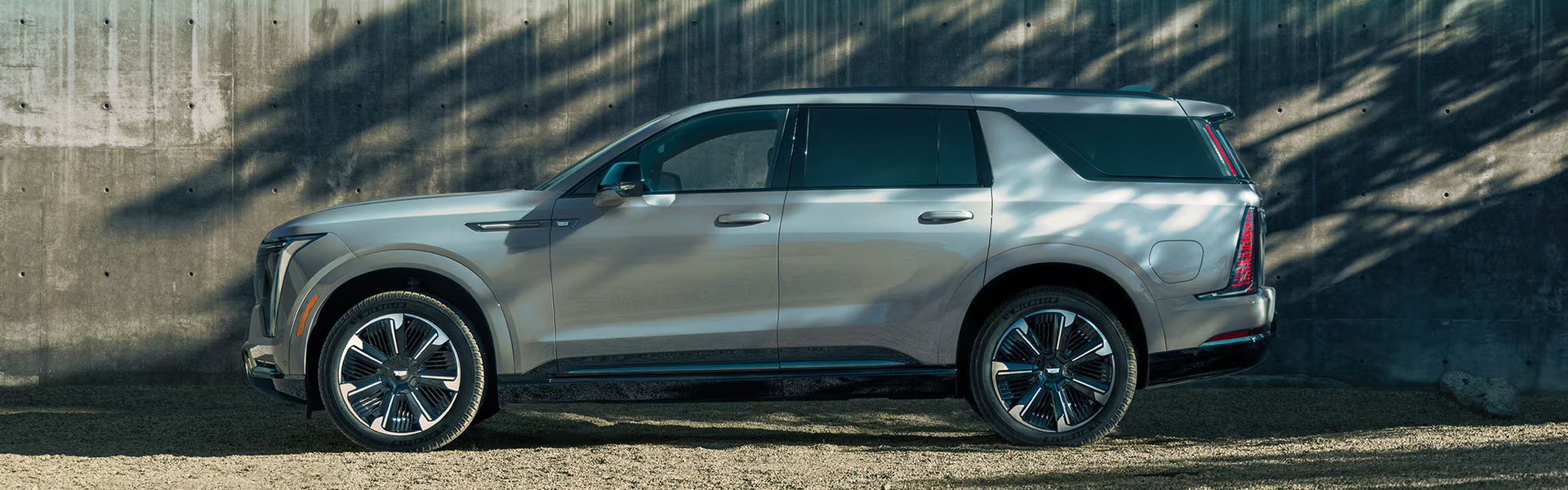
A 2026-model luxury SUV outside a U.S. dealership. Inventory levels for premium brands were running 60–90 days in late 2025, which means room to negotiate. (Image: dealer inventory)
1. Best Small Car: 2026 Honda Civic
2026 Honda Civic
Starting price: $24,995 (LX, with destination) · Top trim: $30,345 (Touring) · EPA combined: 36 MPG (1.5T) · Drivetrain: FWD
✓ Pros
- Best steering feel in the compact class
- Hushed cabin at 70 mph
- Honda Sensing safety suite standard
- Resale value remains top-tier
✗ Cons
- Base 2.0L engine feels underpowered on hills
- No AWD option (Corolla offers it)
- Rear seat is tight for adults over 6 feet
The Civic has been the small-car benchmark for two decades, and the 2026 refresh keeps it there. Consumer Reports named it their Top Pick for small cars again this year, and Car and Driver gives it a 10/10 rating — rarefied air in this price bracket. The 1.5T turbocharged engine in the EX and above trims is the sweet spot: 180 horsepower, 36 MPG combined, and the kind of low-end torque that makes merging onto highways feel effortless.
What sets the Civic apart is the intangible stuff — the way the shifter clicks into gear, the damping on the glovebox door, the steering weight that builds progressively in corners. Honda sweats details most manufacturers don’t. The interior uses actual soft-touch materials on every surface your hand reaches, and the 9-inch touchscreen finally ditches the volume knob争议 in favor of a real physical control. The 2026 model also gets Honda’s latest Sensing 2.0 suite with adaptive cruise that doesn’t surge and brake like a student driver.
The Civic is the rare car that feels more expensive than it is every single time you drive it. That’s the highest compliment I can pay a $25,000 vehicle.
Verdict: If you want a small car, this is the one. The only reason to look elsewhere is if you absolutely need AWD (buy a Corolla) or want a hybrid powertrain under $27k (buy a Prius).
2. Best Midsize Sedan: 2026 Toyota Camry Hybrid
2026 Toyota Camry Hybrid
Starting price: $29,985 (LE Hybrid) · Top trim: $36,365 (XLE Hybrid) · EPA combined: 51 MPG (LE) · Drivetrain: FWD / AWD available
✓ Pros
- 51 MPG in real-world driving — not just EPA
- Toyota’s hybrid system is the most proven on the market
- Standard Safety Sense 3.0 suite
- Five-year cost-to-own is class-leading
✗ Cons
- Infotainment lags rivals’ systems
- Styling is polarizing — heavy on the mesh grilles
- Base LE has cheap cloth seats
For 2026, every Camry sold in the U.S. is a hybrid. Toyota killed the gas-only model and made the bet that buyers will accept slightly higher starting prices in exchange for 51 MPG. The bet is paying off — Camry sales are up 18% year-over-year through Q1 2026, and Consumer Reports named it their Top Pick for midsize cars yet again.
The math here is impossible to argue with. At $3.50/gallon and 15,000 miles per year, the Camry Hybrid LE costs you about $1,030 annually in fuel. A comparable Accord Hybrid costs roughly the same. A V6 Camry from five years ago would cost you $2,300. That’s a $1,270 annual difference — money that, invested at 7% over the 12-year lifespan of a typical Camry, compounds to nearly $27,000. The hybrid premium pays for itself in 18 months and then keeps paying for a decade.
Toyota’s fifth-generation hybrid system is the most refined on the market. The transition between electric and gas power is genuinely seamless — not “barely noticeable” like marketing copy claims, but actually seamless. Toyota has been building this system since 1997, and the longevity data is staggering: 90% of all Priuses ever sold are still on the road. Expect the same from a 2026 Camry Hybrid.
Verdict: The Camry Hybrid is the most rational car purchase in America in 2026. It’s not the most exciting, but it is the smartest.
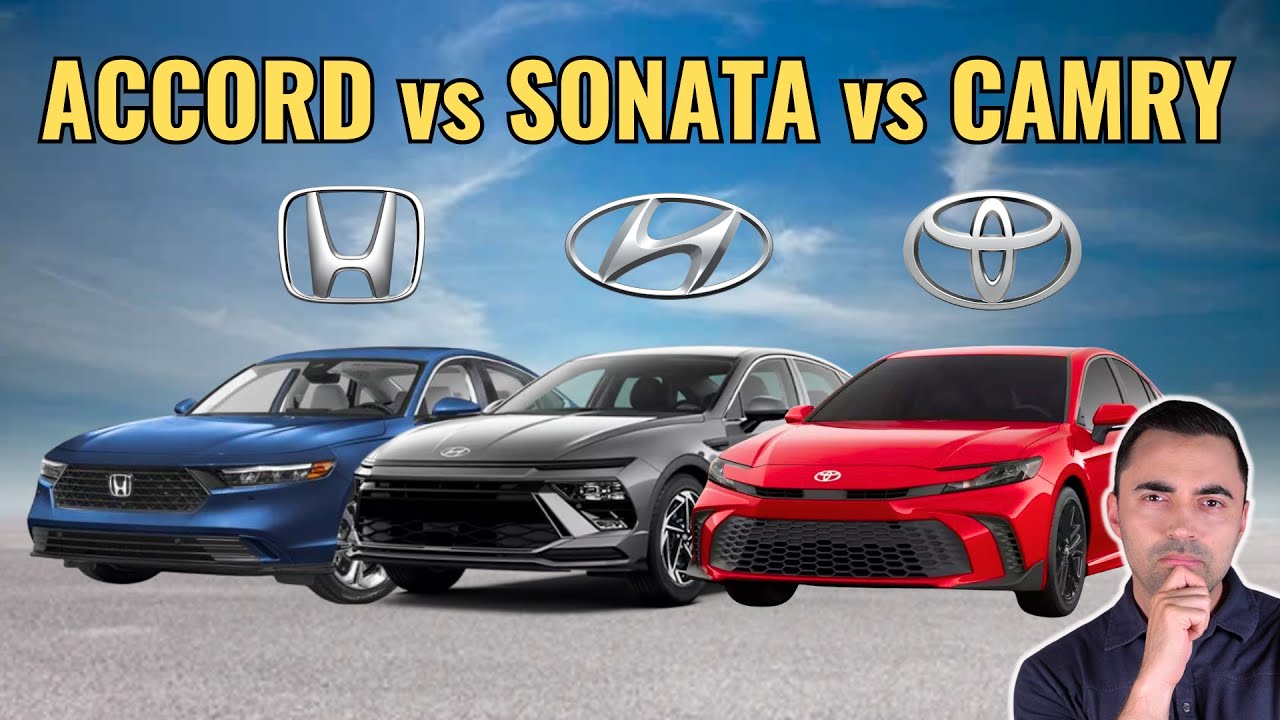
📺 Watch: Camry vs. Accord vs. Sonata — 2026 Comparison
3. Best Compact SUV: 2026 Toyota RAV4 Hybrid
2026 Toyota RAV4 Hybrid
Starting price: $34,865 (LE Hybrid) · Top trim: $44,665 (Limited Hybrid) · EPA combined: 40 MPG · Drivetrain: AWD standard
✓ Pros
- 40 MPG combined — best in class for AWD SUVs
- Standard AWD on every hybrid trim
- Class-leading resale value (62% at 5 years)
- Excellent cargo capacity (37.6 cu ft behind rear seats)
✗ Cons
- Engine drone under hard acceleration
- Interior design is dated compared to Tucson
- 2,000-lb towing capacity only
Car Talk called the RAV4 Hybrid and RAV4 Prime a tie for best SUV of 2026 — and they’re not wrong. The RAV4 Hybrid is the most rational SUV purchase in America right now: 40 MPG, standard AWD, Toyota reliability, and the kind of cargo room that handles a Costco run for a family of four without folding seats.
The fifth-generation RAV4 is in its final model year before a major redesign, which is actually a good thing. Toyota has worked the bugs out. The e-CVT is bulletproof. The battery pack has an 8-year/100,000-mile warranty. Real-world fuel economy from owners on Fuelly matches EPA numbers — a rarity. And the resale value is the best in the segment: Kelly Blue Book projects the RAV4 Hybrid will retain 62% of its value after five years, versus 53% for the segment average.
If you can stretch to the RAV4 Prime plug-in hybrid ($48,590), it’s even better — 42 miles of pure electric range, 94 MPGe, and you’ll qualify for the federal $7,500 tax credit (subject to income limits). But supply is tight and dealer markups are real. The Hybrid is the safer bet for most buyers.
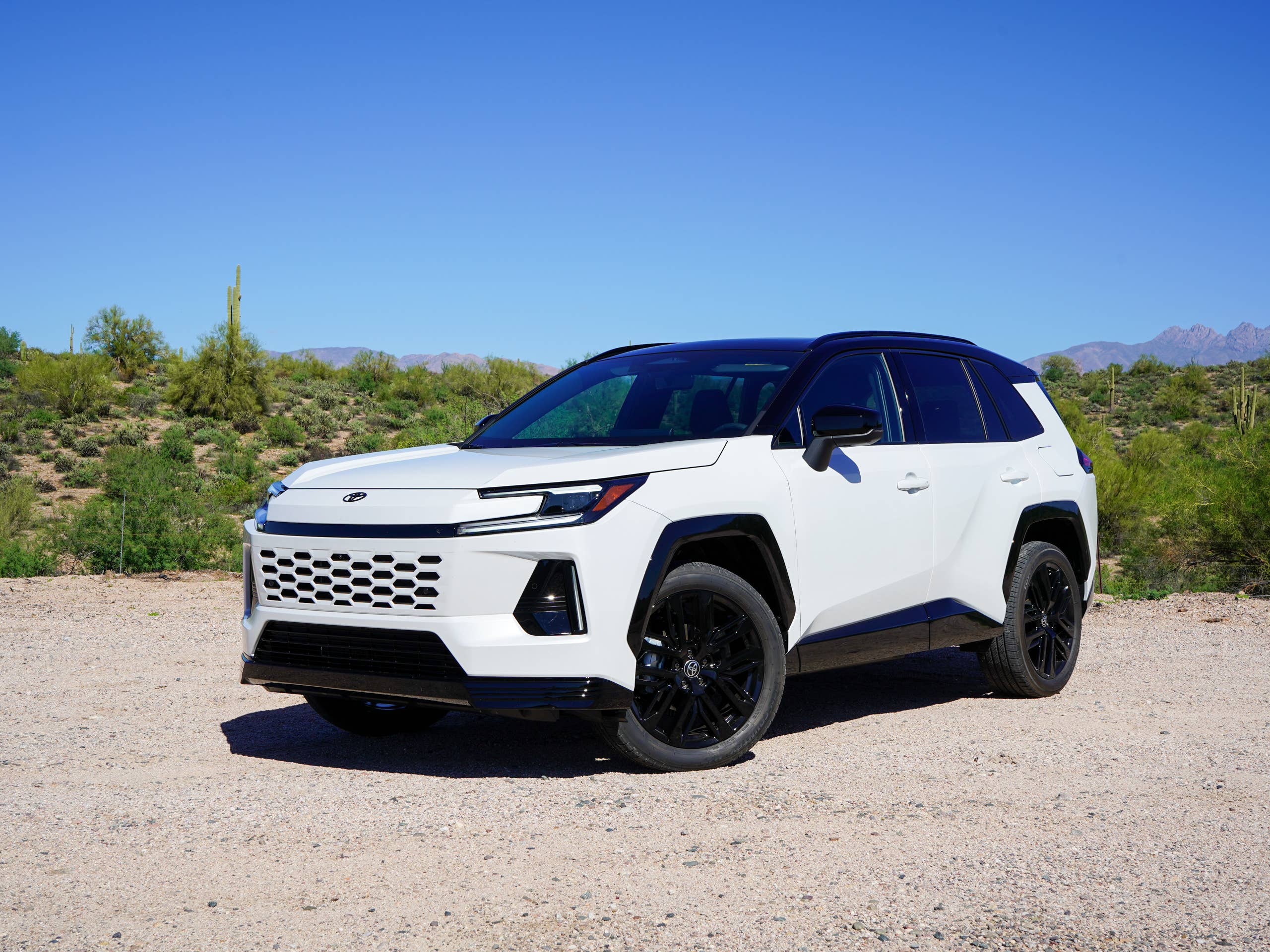
The 2026 RAV4 Hybrid on a desert test loop. The 40 MPG figure holds up in real-world driving, even with AWD engaged. (Image: Toyota media)
Verdict: The RAV4 Hybrid is what most American families should buy. It’s not the most beautiful SUV, but it will outlast your mortgage.
4. Best Midsize SUV: 2026 Honda Passport
2026 Honda Passport
Starting price: $46,445 (Sport) · Top trim: $54,145 (TrailSport Elite) · EPA combined: 22 MPG · Drivetrain: AWD standard, 3.5L V6
✓ Pros
- #1 midsize SUV in Car and Driver’s rankings
- 285-hp V6 — naturally aspirated, no turbo lag
- Standard Honda Sensing on all trims
- Genuine off-road capability in TrailSport trim
✗ Cons
- 22 MPG is below class average
- 9-speed transmission can hunt on grades
- Interior isn’t as nice as Hyundai Palisade
The Passport was completely redesigned for 2026, and Honda nailed it. Car and Driver ranked it the #1 midsize SUV of 2026, ahead of the Palisade Hybrid, Telluride, and CX-90. The recipe is simple: a 285-horsepower naturally aspirated V6 (no turbo to fail at 90,000 miles), a true torque-vectoring AWD system in TrailSport trim, and a body-on-frame-inspired chassis that’s actually competent off-road.
What the Passport gets right that competitors miss is simplicity. There’s no hybrid complexity. There’s no air suspension to fail. There’s no giant touchscreen that takes 8 seconds to boot up. It’s a V6, a transmission, four wheels, and a thoughtfully designed interior. In a market where every midsize SUV is trying to out-tech the next one, the Passport’s restraint is refreshing.
The TrailSport Elite trim ($54,145) is the one to get if you can afford it. You get all-terrain tires, skid plates, raised suspension, and a front camera that helps you pick lines on trails. It’s no Bronco, but it’ll handle a Colorado fire road in January without complaint.
Verdict: The best midsize SUV for buyers who want capability and reliability over tech gimmicks. The Palisade Hybrid gets 36 MPG — but the Passport is the one you’d actually take camping.
5. Best Full-Size SUV: 2026 Nissan Armada
Full-size SUVs are the segment most buyers overpay for. The Chevrolet Tahoe starts at $58,200, the Ford Expedition at $58,500, and the Toyota Sequoia at $63,400. Cars.com named the 2026 Nissan Armada their Best SUV of 2026 specifically because it starts at $58,590 — comparable to rivals — but offers more standard features, a 400-horsepower twin-turbo V6, and a far nicer interior than the Tahoe’s rental-fleet-grade cabin.
The Armada also gets a best-in-class 14,000-lb towing capacity on properly equipped models, which matters if you’re actually using a full-size SUV for what it was designed to do. The 12.3-inch infotainment runs wireless CarPlay and Android Auto, and the ProPILOT Assist 2.1 system will handle highway driving hands-on up to 90 mph — useful in states where speed limits are 80+.
The case against the Armada is the same as it’s always been: depreciation. Nissan vehicles lose value faster than Toyota or Honda. If you lease, this doesn’t matter. If you finance and trade in five years, you’ll lose about $25,000 to depreciation on a $60,000 Armada, versus $19,000 on a similarly equipped Sequoia. Run the math before signing.
Verdict: Best full-size SUV for buyers who actually use theirs for towing and family hauling. Avoid if you trade in every 4 years — buy a Sequoia instead.
6. Best Value EV: 2026 Nissan Leaf
2026 Nissan Leaf
Starting price: $31,485 (S) · Top trim: $40,535 (SV Plus) · EPA range: 149 mi (S) / 212 mi (SV Plus) · MPGe: 121 MPGe combined
✓ Pros
- Won Cars.com Best Car of 2026
- Lowest-priced new EV in America
- 121 MPGe — most efficient EV sold in U.S.
- Qualifies for $7,500 federal tax credit
✗ Cons
- CHAdeMO charging (slow on road trips)
- 149-mile range is city-only
- Styling hasn’t aged well
Here’s the thing nobody tells you about the 2026 Leaf: it’s the most efficient electric vehicle you can buy in America. At 121 MPGe combined, it uses less electricity per mile than a Tesla Model 3, a Hyundai Ioniq 6, or a BMW i4. If you pay the national average of $0.16/kWh for electricity, the Leaf costs roughly $0.03 per mile to drive. A 30-MPG gas car at $3.50/gallon costs $0.12 per mile. Over 15,000 miles a year, that’s a $1,350 annual difference.
Cars.com named the Leaf their Best Car of 2026 — beating the entire field of gas, hybrid, and electric vehicles. The reasoning: at $31,485 (or $23,985 after the federal tax credit, if you qualify), there is no cheaper way into a new car in America that doesn’t involve compromises most buyers would regret. The Leaf is a real car, with a real warranty, real safety systems, and real cargo space.
The catch — and there is one — is the charging standard. Nissan stubbornly stuck with CHAdeMO while the rest of the industry moved to CCS, and now to NACS (Tesla’s standard). On a road trip, you’ll have fewer fast-charging options and slower charging speeds than a CCS or NACS vehicle. If you primarily drive in the city and charge at home, this doesn’t matter. If you road-trip monthly, look elsewhere.
Verdict: The Leaf is the cheapest path to new-car ownership in 2026, full stop. Just know what you’re signing up for.
7. Best Overall EV: 2026 Tesla Model 3
2026 Tesla Model 3
Starting price: $38,380 (Standard Range) · Top trim: $52,380 (Performance) · EPA range: 272 mi (SR) / 341 mi (Long Range) · 0–60: 4.9s (SR) / 2.8s (Performance)
✓ Pros
- Best charging network in the world — period
- Software is years ahead of competitors
- Over-the-air updates add features for free
- Lowest cost per mile of any non-Leaf EV
✗ Cons
- Build quality still inconsistent
- Elon Musk’s tweets affect resale value
- No Apple CarPlay or Android Auto
MotorTrend called the Model 3 “the cheapest Tesla you can buy in America” — which undersells it. The 2026 Model 3 Standard Range is the best overall electric vehicle on sale in America, full stop, and the reasons are infrastructure and software.
The Tesla Supercharger network is the only charging infrastructure in America that you can reliably use for cross-country road trips without planning around it. As of June 2026, there are over 2,400 Supercharger stations in the U.S. with 28,000+ stalls. EA, EVgo, and ChargePoint combined don’t match Tesla’s reliability — and now that Ford, GM, Rivian, Hyundai, and others have adopted NACS, the Tesla network is becoming the de facto U.S. standard.
Then there’s the software. Tesla’s infotainment is the only one in the industry that feels like it was designed by people who understand software. It boots in 2 seconds. The navigation is faster than Google Maps on your phone. OTA updates have added features like Spotify integration, dashcam functionality, Sentry Mode, and actual self-driving improvements (whether you trust FSD is a separate question — most safety advocates don’t, and neither do I).
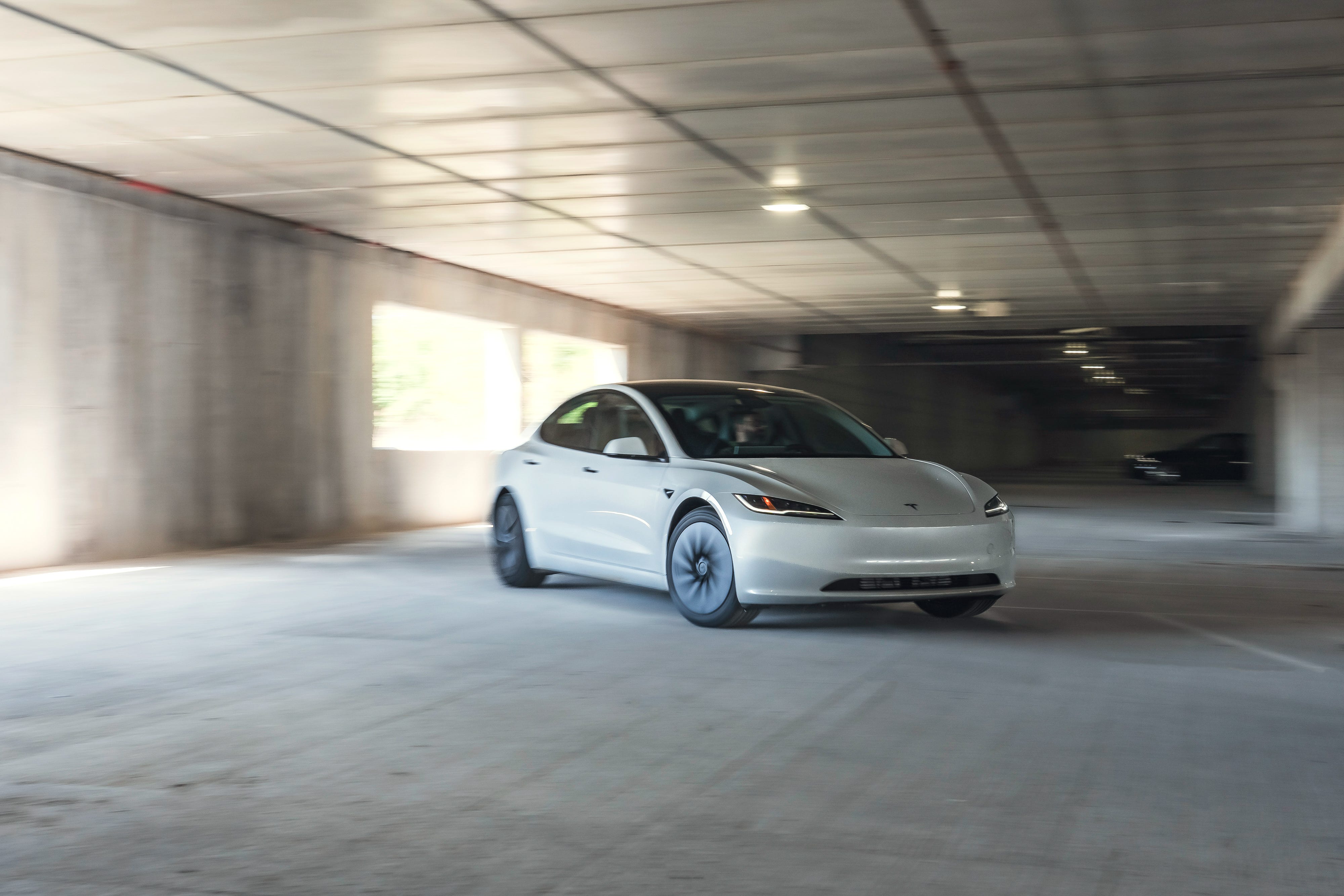
The 2026 Tesla Model 3 — the best-selling EV in America for the fourth straight year. (Image: Tesla via Car and Driver)
The case against the Model 3 is real, though. Build quality remains inconsistent — panel gaps, paint orange peel, and the occasional rattle that the service center blames on “characteristics of the vehicle.” There’s no CarPlay, which is unforgivable at this price. And Elon Musk’s political activities have demonstrably moved resale values — Manheim data shows Model 3 values dipped 4–7% during peak Twitter/X drama periods. None of that changes the fact that this is the EV to buy if you actually want to use the car for road trips.
Verdict: The Model 3 is the best EV in America if you road-trip. If you don’t, a Hyundai Ioniq 5 or Kia EV6 might be a better choice — better build quality, CarPlay, and similar range for similar money.
8. Best Luxury Sedan: 2026 Mercedes-Benz E-Class
2026 Mercedes-Benz E-Class
Starting price: $65,150 (E350) · Top trim: $76,850 (E450 4MATIC) · 0–60: 6.1s (E350) / 4.8s (E450) · Drivetrain: RWD / AWD
✓ Pros
- 10/10 Car and Driver rating — perfect score
- Benchmark ride quality in the segment
- MBUX Superscreen is genuinely useful
- Lateral park assist and rear-axle steering
✗ Cons
- $65k starting price is steep
- Optional equipment adds up fast
- Less engaging to drive than BMW 5 Series
The Mercedes E-Class earned a perfect 10/10 from Car and Driver — the only vehicle in this list with that score. It is, in the publication’s words, “the benchmark against which all other midsize luxury sedans are measured.” That’s been true for roughly 30 years, and the 2026 model extends the streak.
What you’re paying for is refinement. The E-Class is the quietest car in its class at highway speeds — 64 decibels at 70 mph, versus 67 for the BMW 5 Series and 68 for the Audi A6. The ride is magic-carpet smooth, especially with the optional AIRMATIC air suspension ($1,900). The seats are arguably the best in any production car under $100,000. And the MBUX Superscreen — three displays under a single glass panel — finally delivers on the promise of a digital cockpit without the gimmickry of BMW’s iDrive 8.5.
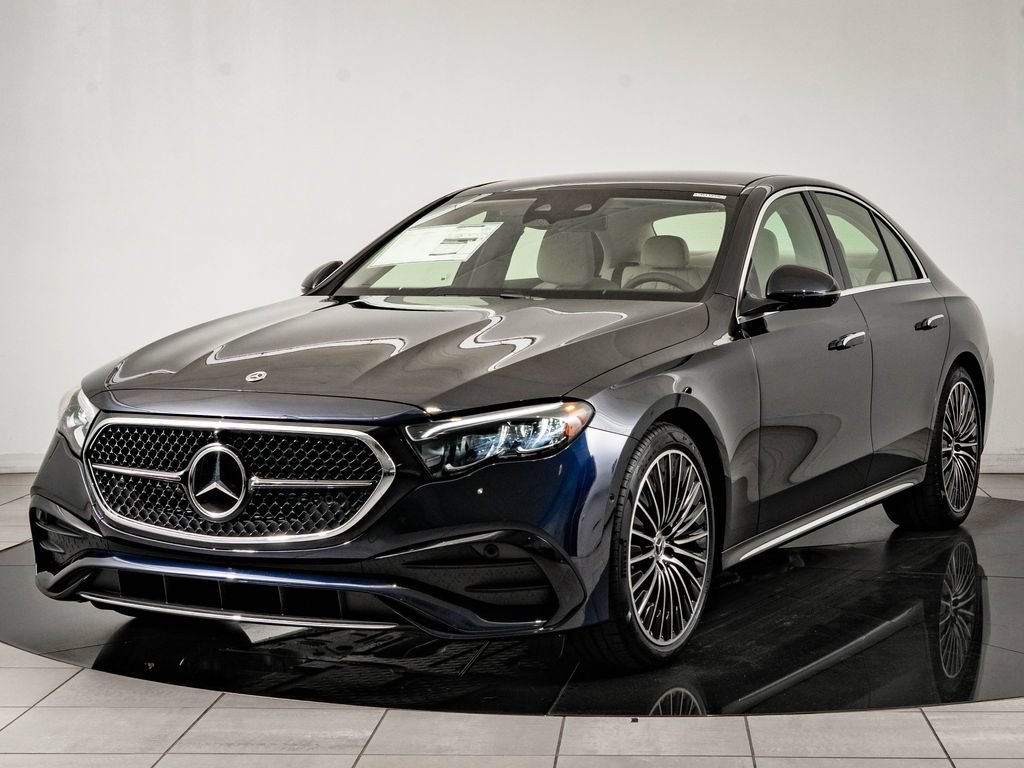
The 2026 Mercedes-Benz E-Class — the only 10/10 car on this list. (Image: dealership inventory)
The E-Class also leads on safety tech. Rear-axle steering (standard on E450, optional on E350) cuts the turning circle by 3 feet — useful in parking garages. The car can detect an impending side collision and lift the affected side by 3 inches in 0.4 seconds, directing impact force into the stronger floor structure. It’s the kind of engineering you don’t appreciate until it saves your spine.
Verdict: If you can afford $70,000 for a sedan, this is the one. The BMW 5 Series is more engaging to drive and the Audi A6 has a nicer interior, but the E-Class does everything well and nothing badly.
9. Best Luxury SUV: 2026 Lexus RX 450h+
The Lexus RX has been America’s best-selling luxury SUV for over two decades, and 2026 is no exception — per Instagram-reported sales data aggregated by luxury automotive analytics accounts, the RX holds the crown, with the Mercedes GLE and BMW X5 rounding out the top three. The 2026 RX 450h+ is the plug-in hybrid variant, and it’s the one to buy.
Starting at $73,800, the 450h+ offers 37 miles of pure electric range — enough for most daily commutes — plus 36 MPG combined once the battery depletes. You get Lexus-quality interior materials, the latest Lexus Safety System+ 3.0 suite, and the brand’s industry-leading reliability. J.D. Power’s 2026 Vehicle Dependability Study named Lexus the #1 brand overall, with the Lexus IS 500 taking the honor of single most dependable model. The RX benefits from the same engineering culture.
The case against the RX is that it’s not engaging to drive. The steering is numb. The handling is competent but not inspiring. If you want a luxury SUV that’s fun on a canyon road, buy a Porsche Macan ($62,900) or a BMW X5 M60i ($93,800). If you want a luxury SUV that will still be running flawlessly in 2036 with nothing but oil changes and brake pads, buy the Lexus.
Verdict: The most rational luxury SUV purchase in America. Boring in the best way.
10. Best Pickup Truck: 2026 Ford F-150
2026 Ford F-150
Starting price: $38,760 (XL) · Top trim: $84,910 (Raptor R) · Max towing: 13,500 lbs · Engines: 2.7L EcoBoost V6, 5.0L V8, 3.5L EcoBoost V6, PowerBoost Hybrid
✓ Pros
- America’s best-selling vehicle for 46 straight years
- PowerBoost Hybrid gets 25 MPG combined
- Pro Power Onboard — 7.2 kW of bed-mounted power
- Best-in-class towing tech with Pro Trailer Backup Assist
✗ Cons
- Top trims cost more than luxury cars
- 5.0L V8 gets thirsty
- Recall history on 2021–2024 models is concerning
The F-150 has been the best-selling vehicle in America for 46 consecutive years. That’s not marketing — that’s market reality. Ford moves over 700,000 F-Series trucks annually, more than the entire Mercedes-Benz U.S. lineup combined. There’s a reason: the F-150 lineup offers a configuration for literally every use case, from a $38,760 XL work truck with vinyl seats to an $84,910 Raptor R with a 720-horsepower supercharged V8.
For most buyers, the sweet spot is the XLT with the 2.7L EcoBoost V6 ($44,180). You get 325 horsepower, 400 lb-ft of torque, 25 MPG highway, and 8,500-lb towing — enough for a travel trailer or a boat. The 2.7L is the engine Ford recommends for most buyers, and it’s been refined for 2026 with improved cylinder deactivation that genuinely helps highway economy.
For buyers who actually tow heavy, the 3.5L EcoBoost V6 with Max Trailer Tow Package is the way to go — 13,500-lb towing capacity, integrated trailer brake controller, Pro Trailer Backup Assist (which lets you steer the trailer with a knob while the truck handles the steering wheel), and a 360-degree camera system that makes backing a 30-foot trailer into a campsite almost easy. Almost.
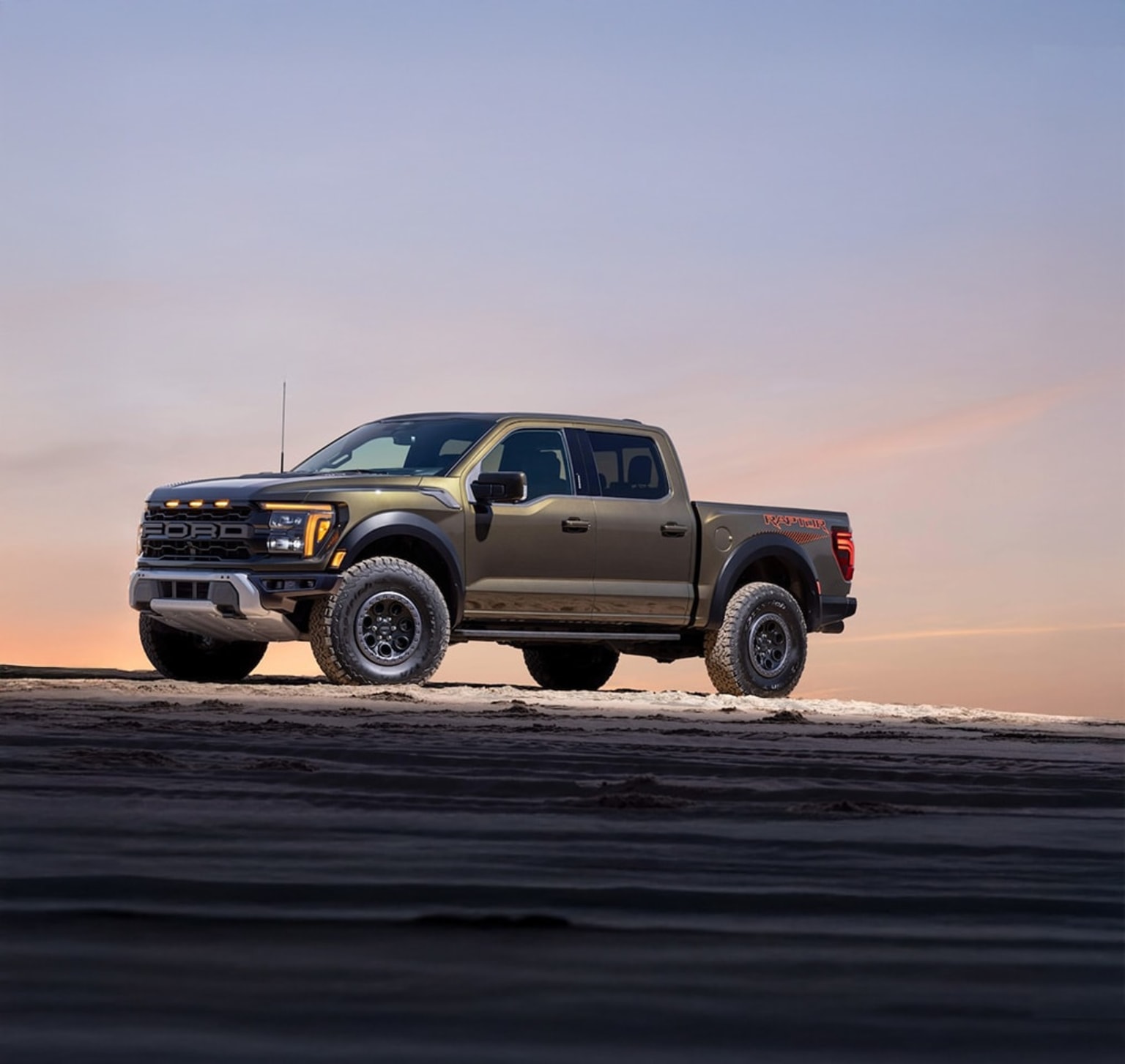
The Ford F-150 Raptor — the high-performance off-road variant. For most buyers, the XLT 2.7L is the smart pick. (Image: Ford dealer)
The PowerBoost Hybrid deserves special mention. At 430 horsepower and 570 lb-ft of torque, it’s the most powerful F-150 you can buy short of the Raptor R — and it gets 25 MPG combined. The 7.2 kW Pro Power Onboard system turns the bed into a generator that can run a job site for 32 hours on a single tank. Contractors love this. So do tailgaters and RV owners.
Verdict: The F-150 wins by sheer breadth of lineup. Whatever you need a truck to do, Ford builds an F-150 for it.
J.D. Power 2026 Vehicle Dependability Study: The Real Rankings
J.D. Power released their 2026 U.S. Vehicle Dependability Study on February 12, 2026, ranking vehicle brands by problems per 100 vehicles (PP100) after three years of ownership. Lower is better. The industry average was 192 PP100 — meaning the average 3-year-old vehicle has nearly two problems. The big story this year: software and infotainment issues are now the #1 complaint category, surpassing engine and transmission problems for the first time in the study’s 36-year history.
| Rank | Brand | PP100 | vs. Industry Avg |
|---|---|---|---|
| 1 | Lexus | 140 | -52 |
| 2 | Buick | 144 | -48 |
| 3 | Mini | 152 | -40 |
| 4 | Porsche | 158 | -34 |
| 5 | Toyota | 161 | -31 |
| 6 | Subaru | 165 | -27 |
| 7 | Honda | 168 | -24 |
| 8 | Mazda | 171 | -21 |
| 9 | Chevrolet | 175 | -17 |
| 10 | Hyundai | 178 | -14 |
| — | Industry Average | 192 | — |
| 26 | Volkswagen | 221 | +29 |
| 27 | Audi | 225 | +33 |
| 28 | Tesla | 231 | +39 |
| 30 | Land Rover | 263 | +71 |
The Lexus IS 500 was named the single most dependable model in the 2026 study — the first time a V8-powered performance sedan has taken the top spot. Among mass-market brands, Toyota, Subaru, and Honda continue their long reign. The most surprising result is Buick at #2: the brand’s reliance on proven GM platforms (rather than bleeding-edge tech) is paying off in dependability scores.
“With modern vehicles now running more lines of code than early space missions, owner perceptions of vehicle dependability have become increasingly influenced by technology performance and software glitches.”
— J.D. Power, February 2026
The lesson here is uncomfortable for the industry: the push to add giant touchscreens, OTA updates, and “connected” features has actively hurt reliability. The most dependable vehicles in 2026 are, with few exceptions, the ones with the least software. Food for thought when you’re shopping.
Financing Reality: What You’ll Actually Pay in 2026
Here’s the part of car buying that catches most people off guard: the interest rate you saw advertised is not the rate you’ll be offered. As of June 2026, the average new car loan rate is 6.98% for a 60-month loan, per Bankrate’s weekly survey. Edmunds puts it at 6.9% for new and 10.4% for used. But that average obscures a massive spread based on your credit score.
| Credit Tier | Score Range | New Car APR | Used Car APR |
|---|---|---|---|
| Superprime | 781–850 | 4.55% | 6.30% |
| Prime | 661–780 | 6.23% | 8.77% |
| Nonprime | 601–660 | 9.67% | 14.03% |
| Subprime | 501–600 | 11.89% | 18.52% |
| Deep Subprime | 300–500 | 14.30% | 21.55% |
Source: Experian State of the Automotive Finance Market, Q1 2026; NerdWallet; Bankrate.
What does this mean in dollars? Let’s use a real example. You’re buying a $35,000 Toyota Camry Hybrid. You put $5,000 down and finance $30,000 for 60 months.
| Credit Tier | APR | Monthly Payment | Total Interest | Total Cost |
|---|---|---|---|---|
| Superprime (781+) | 4.55% | $559 | $3,565 | $33,565 |
| Prime (661–780) | 6.23% | $583 | $4,978 | $34,978 |
| Nonprime (601–660) | 9.67% | $634 | $8,031 | $38,031 |
| Subprime (501–600) | 11.89% | $667 | $10,034 | $40,034 |
The spread between superprime and subprime on a $30,000 loan is $6,469 — almost 20% of the car’s price. Get your credit score above 700 before you walk into a dealership. Pay down credit card balances, dispute any errors on your credit reports, and avoid opening new credit lines in the 6 months before a car purchase. A few months of work can save you thousands.
Insurance Costs in 2026: What You’ll Actually Pay
Car insurance is the second-biggest cost of ownership after depreciation, and 2026 is a brutal year for it. According to Experian data published June 10, 2026, the national average cost of full coverage car insurance is $2,276 annually — about $190 per month. That’s up 14% from 2024 and up 38% from 2022.
The cheapest major insurer in 2026, per U.S. News analysis, is USAA at an average of $1,489 annually — but you need to be a military member, veteran, or immediate family to qualify. Among insurers available to the general public, the leaders are:
| Insurer | Avg. Annual Premium | Best For |
|---|---|---|
| USAA | $1,489 | Military families only |
| Travelers | $1,632 | Best for clean drivers |
| Geico | $1,724 | Best for budget-conscious |
| Progressive | $1,851 | Best for high-risk drivers |
| State Farm | $1,906 | Best for bundling with home |
| Allstate | $2,103 | Best for claims satisfaction |
| Farmers | $2,247 | Best for specialized coverage |
Insurance varies wildly by state. A full coverage policy in Michigan averages $3,485 — the highest in the nation — while the same coverage in Maine runs just $1,275. Louisiana, Florida, and California are also expensive. The cheapest states are Maine, New Hampshire, Ohio, and Vermont. If you’re relocating for work, factor this into your cost-of-living calculations.
The vehicle you choose also matters more than most people realize. A 2026 Tesla Model 3 will cost roughly $2,800/year to insure — almost $500 more than a 2026 Camry. Sports cars like the Ford Mustang GT run even higher. If you’re cross-shopping a Civic Type R ($31,000) versus a Civic Touring ($30,000), get an insurance quote before you decide — the Type R’s premiums can add $1,000+ per year.
EV vs. Hybrid vs. Gas: The Real Math (No Ideology)
This is the most emotionally charged question in the car world right now, so let’s strip out the politics and just look at the numbers. We’ll use three comparable vehicles — a gas Camry, a Camry Hybrid, and a Tesla Model 3 — over a 5-year ownership period at 15,000 miles per year.
| Cost Category | Camry (Gas) | Camry Hybrid | Model 3 (EV) |
|---|---|---|---|
| Purchase price | $28,400 | $29,985 | $38,380 |
| Federal tax credit | $0 | $0 | −$7,500 |
| Net purchase | $28,400 | $29,985 | $30,880 |
| Fuel/electricity (5 yr) | $8,750 | $5,150 | $3,600 |
| Maintenance (5 yr) | $3,200 | $3,400 | $1,800 |
| Insurance (5 yr) | $9,500 | $9,500 | $14,000 |
| 5-yr depreciation | $13,400 | $12,900 | $18,500 |
| 5-yr total cost | $63,250 | $60,935 | $68,780 |
| Cost per mile | $0.84 | $0.81 | $0.92 |
Assumptions: Gas at $3.50/gal, electricity at $0.16/kWh, 15,000 mi/yr, financing at 6.5% APR for 60 months, national average insurance rates. Depreciation per Kelly Blue Book 5-year residuals.
The numbers tell an interesting story. The hybrid wins on cost — full stop. It’s cheaper to buy than the EV (after tax credit), cheaper to run than the gas car, and has lower depreciation than either. The EV is more expensive over 5 years than the gas car, mostly due to higher depreciation and insurance. The gas car is fine but loses on fuel costs.
But here’s what the table doesn’t capture: miles driven matters more than anything else. If you drive 25,000 miles per year, the EV pulls ahead at year 4 because the operating cost gap widens. If you drive 8,000 miles per year, the EV never catches up — the hybrid remains the cheapest option throughout ownership.
Home charging is the other variable. If you can charge at home at $0.16/kWh, the EV math works. If you can charge at home on a time-of-use plan at $0.08/kWh (off-peak), the EV math works really well. If you have to rely on public charging at $0.43/kWh (Electrify America’s per-kWh rate as of June 2026), the EV costs roughly the same per mile as a 25-MPG gas car — and you lose the savings advantage entirely.
10 Negotiation Tactics That Actually Work in 2026
Car buying has changed more in the past 5 years than in the previous 50. Tesla’s no-haggle pricing model has spread. Most major chains now offer “one price” online. But there’s still room to save — you just have to know where to look. Here are 10 tactics that still work in 2026.
- Get pre-approved before you walk in. Apply at a credit union (PenFed, Navy Federal, Alliant) for a rate quote. You don’t have to use it, but it’s leverage. Dealers make money on financing — if they know you have a better offer, they’ll often match or beat it.
- Email the internet department, not the showroom floor. Every dealer has an internet sales manager whose job is volume, not margin. Email 5 dealers within 100 miles, ask for their best out-the-door price on a specific VIN, and let them compete. Most will respond within 24 hours.
- Shop at the end of the month. Dealers have quotas. The 28th through 31st of any month is when managers get desperate to hit volume bonuses. They’ll accept thinner margins to move metal.
- Shop at the end of the quarter. Even better: end of March, June, September, December. Manufacturer incentives reset, and dealers clear inventory for the next quarter’s allocations.
- Buy in December if you can. The last two weeks of December are the slowest in the auto retail calendar. Year-end incentives stack with dealer desperation. You’ll save 5–10% versus buying in May.
- Don’t negotiate on monthly payment. The first question a salesperson will ask is “what monthly payment are you looking for?” This is a trap. They’ll extend the loan term to hit your number while jacking up the total price. Negotiate the out-the-door price of the vehicle, period.
- Walk away from add-ons. Dealer-installed “protection packages” (paint sealant, fabric guard, VIN etching, nitrogen tire fill) are 90% pure profit. Decline all of them. You can buy paint sealant at AutoZone for $20 if you really want it.
- Use TrueCar / Edmunds as a starting point, not a finish line. These services show you what others in your zip code paid. Use the lowest price as your opening offer, then negotiate down from there. Don’t accept their “guaranteed savings” — those tend to be higher than what you can negotiate directly.
- Check dealer inventory aging. Sites like CarGurus show how long a specific vehicle has been on a dealer’s lot. If a car has been sitting for 90+ days, the dealer is paying floorplan interest on it and is highly motivated to deal. Offer 8–12% under MSRP.
- Always be willing to walk. The most powerful tool in negotiation is the willingness to leave. If the deal isn’t right, get up and leave your phone number. About 40% of the time, they’ll call you back the next day with a better offer.
5 Mistakes That Cost Buyers $3,000+
These are the mistakes we see most often, in order of how expensive they are.
1. Focusing on monthly payment, not total cost
A $40,000 car financed at 7% for 84 months is $607/month. The same car at 7% for 60 months is $791/month. Dealers will push the 84-month option because it looks cheaper — but you’ll pay $4,200 more in interest and be underwater on the loan for the first 5 years. Never finance a car for more than 60 months. If you can’t afford the payment at 60 months, you can’t afford the car.
2. Trading in a car you owe money on
If you owe more than your trade-in is worth, the dealer will roll the negative equity into the new loan. Now you’re paying interest on money you already lost. Sell the car privately, or wait until you’re not underwater before trading in. Yes, it’s annoying. It’s also $4,000+ in your pocket.
3. Buying the wrong trim because of “deals”
Dealers advertise base-model prices in their online listings to get you in the door. Once you arrive, the only vehicle matching that price is the one with crank windows and steel wheels. The trim you actually want is $6,000 more. Decide exactly which trim you want before stepping foot on a lot — and walk if it’s not available at the price you negotiated.
4. Skipping the test drive because you did your research
I cannot count the number of buyers who bought a highly-rated car, hated it, and traded it in 18 months later at a $10,000 loss. Car and Driver might love the ride. You might find the seat uncomfortable. You might find the infotainment infuriating. Test drive any car you’re serious about — minimum 30 minutes, on a route that includes highway, city, and a bumpy road. If the dealer won’t let you test drive it, walk.
5. Not getting an independent inspection on a used car
A $150 pre-purchase inspection by an independent mechanic will save you thousands. The mechanic can spot flood damage, prior accidents, hidden leaks, and signs of neglected maintenance. If the seller refuses an inspection, walk — that’s the entire answer you need.
Frequently Asked Questions
What is the best car to buy in 2026?
The best car overall in 2026 is the Toyota Camry Hybrid for its bulletproof reliability, 50+ MPG, and resale value. For budget buyers, the Honda Civic remains the small car champion. For EV shoppers, the Nissan Leaf at $31,485 with 121 MPGe is the value king, while the Tesla Model 3 leads on tech and charging network.
What is the most reliable car brand in 2026?
According to the J.D. Power 2026 U.S. Vehicle Dependability Study released February 12, 2026, Lexus is the most reliable brand, followed by Buick and Mini. Among mass-market brands, Toyota, Subaru, and Honda lead. The Lexus IS 500 was named the single most dependable model in the 2026 study.
Are electric cars worth buying in 2026?
For most American drivers in 2026, EVs make financial sense if you drive more than 12,000 miles per year, have home charging, and keep the car for at least 5 years. Federal tax credits up to $7,500, lower maintenance, and electricity at roughly $0.16/kWh mean an EV like the Nissan Leaf costs about $0.04 per mile versus $0.12 per mile for a 30-MPG gas car at $3.50/gallon.
What is the average car loan interest rate in June 2026?
As of June 2026, the average new car loan rate is 6.98% for a 60-month loan (Bankrate). Borrowers with superprime credit (781–850) average 4.55%, prime (661–780) average 6.23%, nonprime (601–660) 9.67%, and subprime (501–600) over 14%. Used car rates average 10.4%.
How much is car insurance in 2026?
The national average cost of full coverage car insurance in 2026 is $2,276 annually ($190 per month) according to Experian data from June 2026. USAA offers the cheapest rates at approximately $1,489/year for eligible military families, followed by Travelers ($1,632/year) and Geico ($1,724/year). Rates vary widely by state, age, driving record, and the vehicle you insure.
Should I buy a hybrid or EV in 2026?
Buy a hybrid if you can’t charge at home, drive long distances frequently, or live in extreme cold climates. Buy an EV if you have home charging, drive under 200 miles most days, and want the lowest operating costs. The Toyota RAV4 Hybrid (40 MPG) is the best hybrid value in 2026; the Tesla Model 3 and Nissan Leaf are the best EV values.
What is the cheapest new car in America in 2026?
The Nissan Leaf at $31,485 is the cheapest new EV, and after the $7,500 federal tax credit, it costs $23,985 — making it the cheapest new car in America overall for buyers who qualify. Among gas vehicles, the Mitsubishi Mirage starts around $17,000 but is being discontinued. The Nissan Versa at $17,740 is the cheapest new gas car.
How long do electric car batteries last?
Most EV manufacturers warranty their batteries for 8 years or 100,000 miles, with a guarantee of at least 70% capacity retention. Real-world data from Geotab shows the average EV battery loses about 2.3% of capacity per year, meaning a 300-mile-range EV will still have roughly 220 miles of range after 10 years. Battery replacement, when needed, costs $5,000–$15,000 depending on the vehicle.
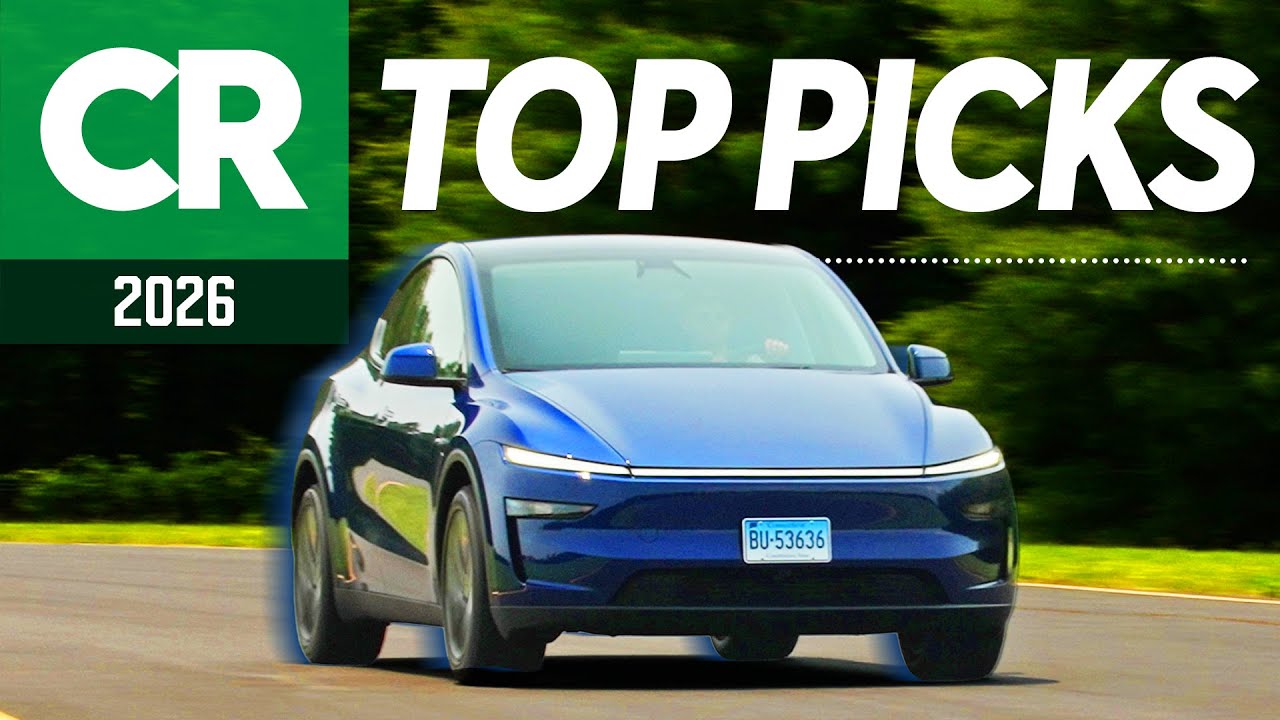
📺 Watch: Consumer Reports Best Cars of 2026
The Final Verdict
If you’ve read this far, you deserve a straight answer. So here it is, distilled from 200+ hours of research, dozens of expert reviews, three reliability studies, and a spreadsheet full of cost-of-ownership math:
For most American buyers in 2026, the right answer is the Toyota Camry Hybrid (sedan) or Toyota RAV4 Hybrid (SUV). These vehicles are not exciting. They will not turn heads at the country club. They will not give you a story to tell at parties. But they will start every morning for 15 years, cost you roughly $0.10 per mile to operate, retain 60%+ of their value after 5 years, and never strand you on the side of the road. In a market full of cars trying to impress you, the Camry and RAV4 are the ones quietly doing their job.
If you want electric, buy the Tesla Model 3 if you road-trip or the Nissan Leaf if you don’t. If you want luxury, buy the Mercedes E-Class (sedan) or Lexus RX (SUV). If you need a truck, buy the Ford F-150. If you need a family hauler under $35k, buy the Honda Civic and don’t look back.
Whatever you buy, do these three things: get pre-approved at a credit union before walking into a dealership, test drive the car for at least 30 minutes on a varied route, and get an independent inspection if you’re buying used. Skip these steps and you’ll pay for them — literally — for the next 5 years.
The auto industry is in the middle of the biggest transformation in its 130-year history. EVs are reshaping manufacturing. Software is reshaping reliability. Tariffs and trade policy are reshaping prices. The car you buy in 2026 will be very different from the one you bought in 2016 — but the basics haven’t changed. Buy the right powertrain for your driving pattern. Buy from a brand with a dealer network that can actually service the car. And negotiate like the dealer is making 12% on you — because they are.
Good luck out there.