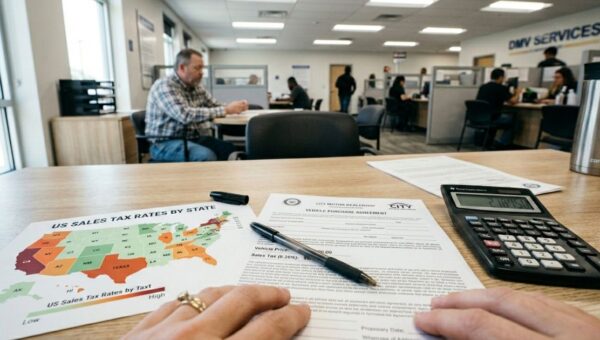
Notarized Bill of Sale for Car: 5 Steps to Get It Done
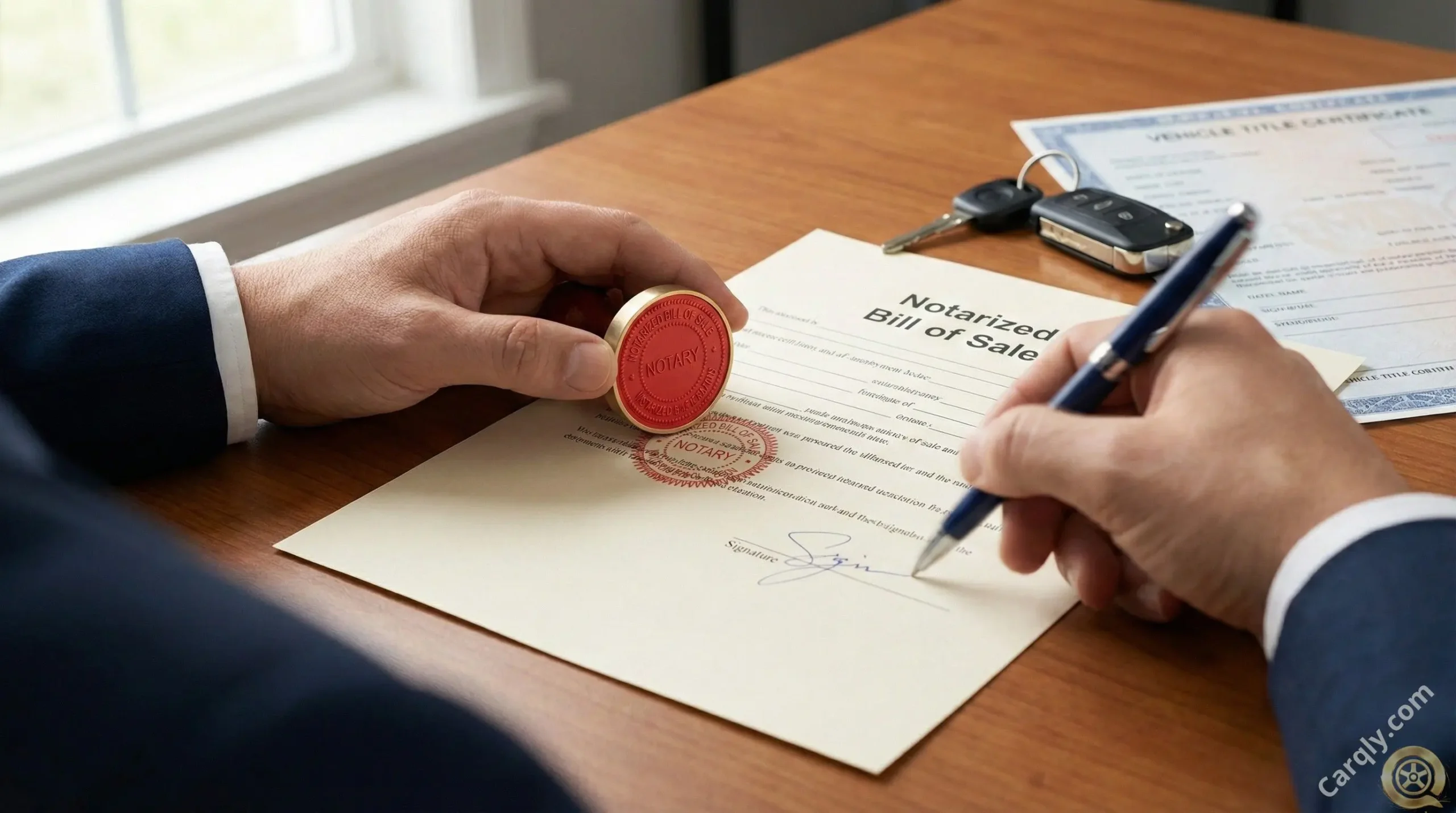
Selling or buying a car privately? Worried about getting scammed or facing legal issues down the road? You’re not alone. Thousands of vehicle transactions fall through or lead to disputes simply because the paperwork wasn’t properly notarized.
This comprehensive guide reveals exactly how to get a notarized bill of sale for car transactions—protecting both buyers and sellers from fraud, title disputes, and financial headaches. With insights from legal experts and DMV officials across all 50 states, you’ll learn the foolproof process to secure your vehicle sale legally.
We’ll cover the 5 essential steps to notarization, required documents you need, state-specific requirements, common mistakes that void your paperwork, and a complete checklist to ensure your transaction goes smoothly.
Table of Contents
Why a Notarized Bill of Sale is Essential
A notarized bill of sale for car transactions isn’t just paperwork—it’s your legal shield. Here’s why smart buyers and sellers never skip this step:
Legal protection against fraud: A notary public verifies the identities of both parties, making it nearly impossible for someone to claim they didn’t sign the document or that their signature was forged.
Proof of ownership transfer: When disputes arise about who owns the vehicle, a notarized document carries significantly more weight in court than a standard bill of sale.
DMV requirement in many states: States like Louisiana, Maryland, Montana, and others won’t process your title transfer without a notarized bill of sale, potentially leaving you unable to register your vehicle.
Tax documentation: The IRS and state tax authorities accept notarized bills of sale as legitimate proof of transaction value, protecting you during audits.
Resale value protection: Future buyers appreciate seeing a complete paper trail with notarized documents, increasing your car’s resale appeal and eliminating questions about its history.
What You Need Before Getting Started
Before you can get a notarized bill of sale for car transactions, gather these critical documents and information:
Essential Documents
Vehicle Title: The current title showing the seller as the legal owner. Without this, the notarization is meaningless since the seller can’t prove ownership.
Valid Government-Issued ID: Both buyer and seller need driver’s licenses, passports, or state IDs. The notary will verify these match the names on the bill of sale.
VIN Verification: The 17-character Vehicle Identification Number from the dashboard or driver’s side door jamb. This must match the title exactly.
Odometer Reading: Federal law requires accurate mileage disclosure for vehicles under 10 years old to prevent odometer fraud.
Information to Include
Complete Vehicle Description: Make, model, year, color, body style, and any unique identifying features that distinguish this specific vehicle.
Purchase Price: The actual amount exchanged (required for tax purposes). Never write “gift” or “$1” unless it’s genuinely a gift—this can trigger tax audits.
Date of Sale: The exact date money and title exchange hands, which determines when insurance and liability transfer.
Seller and Buyer Details: Full legal names (as they appear on IDs), current addresses, phone numbers, and signatures from both parties.
Budget Considerations
Notary Fees: Typically $5-$15 per signature, varying by state. Some banks offer free notary services to account holders.
Multiple Copies: Plan to notarize at least 3 copies—one for the buyer, one for the seller, and one for DMV records.
Mobile Notary Option: Traveling notaries charge $25-$75 but come to your location, saving time if you’re coordinating with a busy buyer or seller.
Step 1: Complete the Bill of Sale Form
The foundation of your notarized bill of sale for car transactions starts with a properly filled form. Here’s how to do it right:
Choose the Right Form
State-Specific Forms: Download your state’s official DMV bill of sale form from their website. These forms include all required fields for your jurisdiction and ensure DMV acceptance.
Generic Templates: If your state doesn’t provide a form, use a comprehensive template that covers federal requirements. Websites like your state DMV, AAA, or legal document providers offer reliable options.
As-Is Clause: Always include “sold as-is” language unless you’re offering a written warranty. This protects sellers from liability after the sale completes.
Fill Out Accurately
Use Blue or Black Ink: Never use pencil or colors that don’t photocopy well. Original signatures in permanent ink are legally stronger.
Print Legibly: Unclear handwriting causes DMV rejections. Print all information except signatures, or type the form if using a digital version you’ll print.
No Blank Spaces: Write “N/A” in any fields that don’t apply to your transaction. Blank spaces allow fraudulent alterations after signing.
Match the Title Exactly: The vehicle description, VIN, and seller name must match the title word-for-word. Even minor discrepancies cause DMV rejections.
Common Mistakes to Avoid
Wrong VIN Number: Double-check all 17 characters. A single wrong digit makes your document worthless and delays title transfer by weeks.
Incorrect Odometer Statement: Federal law requires specific language about mileage disclosure. Use the exact wording from your state’s form to avoid penalties.
Missing Lienholder Information: If there’s a loan on the vehicle, you must include the lender’s name and address—even if you plan to pay it off at sale.
Unsigned or Undated: Don’t sign until you’re in front of the notary, but do fill in the date of actual sale (the day money exchanges hands).
Step 2: Find a Qualified Notary Public
Getting your notarized bill of sale for car transaction requires finding a legitimate notary. Here’s where to look and what to expect:
Where to Find Notaries
Your Bank or Credit Union: Most financial institutions offer free notary services to account holders during business hours. Call ahead to confirm a notary is available.
UPS Stores and FedEx Office: Nearly all locations have notaries on staff, typically charging $5-$10 per signature. Hours are convenient, often including evenings and weekends.
Shipping and Mailing Centers: Local pack-and-ship stores, mailbox rental businesses, and copy centers frequently employ notaries as an additional service.
Mobile Notary Services: Search online for traveling notaries who come to your home, workplace, or meeting location. Perfect for coordinating with buyers/sellers with schedule conflicts.
County Clerk or Courthouse: Many county government offices provide notary services, sometimes free or for minimal fees under $5.
Insurance Agencies and Real Estate Offices: These businesses often have notaries on staff who’ll notarize documents for non-clients for a small fee.
Verify Notary Credentials
Check State Commission: Ask to see the notary’s commission certificate. Every legitimate notary has one issued by their state, showing their commission expiration date.
Valid Seal and Stamp: The notary must use an official embossed seal or inked stamp with their commission number, expiration date, and state of commission clearly visible.
Current Commission: Notary commissions expire every 4-5 years depending on the state. An expired commission makes your notarization invalid.
What to Expect
In-Person Requirement: Notaries cannot notarize documents without all signers physically present and signing in front of them—no exceptions, even for spouses or family.
ID Verification: The notary will examine your government-issued photo ID carefully, comparing your face, signature, and the name on the document.
Signing in Their Presence: You’ll sign the bill of sale while the notary watches, then they’ll complete their notarial certificate, add their seal, and sign.
Notarial Journal: Many states require notaries to keep a record book. You may need to provide a thumbprint and signature in their journal for record-keeping.
Step 3: Present Documents and Verify Identities
When you meet the notary, this verification process protects everyone involved in your notarized bill of sale for car transaction:
The Identity Verification Process
Show Your ID: Present your unexpired driver’s license, state ID, passport, or military ID. The notary examines it for authenticity, checking security features and expiration dates.
Face Matching: The notary compares your face to the photo on your ID, verifying you’re the person named in the document. They’re trained to spot fake IDs and impersonators.
Name Consistency: Your name on the ID must match the name on the bill of sale exactly. Middle initials can differ, but first and last names need perfect matches.
Signature Comparison: Some notaries compare your signature on the document to the signature on your ID, looking for obvious forgery attempts.
Both Parties Must Be Present
Simultaneous Appearance: Both buyer and seller must stand before the notary at the same time. The notary cannot notarize one signature, then the other person’s later.
Remote Online Notarization: Some states now allow RON (Remote Online Notarization) via video call with identity verification technology. Check if your state DMV accepts RON for vehicle sales.
Power of Attorney Exception: If someone can’t appear, they may authorize an agent through a notarized Power of Attorney specifically granting vehicle sale authority. The agent then appears with the POA document.
What Notaries Check For
Willingness to Sign: The notary asks if you’re signing voluntarily, without coercion or duress. They’re trained to watch for signs of pressure or reluctance.
Mental Competence: Notaries must believe you understand what you’re signing. They can refuse to notarize if you appear confused, intoxicated, or mentally impaired.
Document Completeness: The notary verifies all required fields are filled in, signatures are in the right places, and there are no suspicious blank spaces.
Correct Names: They confirm the names on your IDs match the names typed or written on the bill of sale document exactly.
Step 4: Sign and Seal the Document
This is the critical moment when your notarized bill of sale for car transaction becomes legally binding:
The Signing Process
Wait for the Notary’s Instruction: Don’t sign beforehand—notaries must witness you physically signing. Pre-signed documents cannot be notarized under any circumstances.
Sign in Blue or Black Ink: Use the pen provided or your own permanent ink pen. Sign your name exactly as it appears on your government-issued ID.
All Parties Sign Together: The buyer and seller both sign while the notary watches. If there are multiple owners or buyers, everyone signs in the notary’s presence.
Don’t Leave Blanks: Ensure every field is complete before signing. The notary may refuse to proceed if they notice empty spaces that could be altered later.
The Notarization Certificate
Notary Completes Their Section: After you sign, the notary fills out the notarial certificate section, which includes the venue (county and state), date, and type of notarial act performed.
Official Seal Applied: The notary stamps or embosses their official seal on the document, making it an authenticated legal record. This seal includes their commission information.
Notary Signature and Date: The notary signs their name and writes the date they performed the notarization, completing the authentication process.
Journal Entry: The notary records the transaction in their official journal, creating a permanent record of the notarization that can be referenced if questions arise.
Get Multiple Notarized Copies
Request 3-5 Copies: Have the notary prepare and notarize multiple original copies—not photocopies of a single notarized document, which aren’t legally equivalent.
Distribution Plan: One copy for the buyer, one for the seller, one for DMV submission, and extras for insurance companies or loan payoff documentation.
Certified Copies Later: If you need additional copies later, return to the same notary with an original notarized copy. They can create certified copies from the original.
Step 5: File with the DMV and Keep Records
Your notarized bill of sale for car transaction isn’t complete until you properly file and store the documents:
DMV Submission Requirements
Check State Deadlines: Most states require title transfer within 10-30 days of sale. Missing deadlines triggers late fees, penalties, and potential liability issues.
Submit Required Documents: Bring the notarized bill of sale, signed title, odometer disclosure, and any required emissions or safety inspection certificates to your DMV.
Pay Transfer Fees: DMV title transfer fees range from $15-$150 depending on your state and vehicle value. Some states charge sales tax at this time too.
Obtain Receipt: Get a stamped receipt or temporary registration proving you submitted everything. This protects you if DMV processing delays occur.
For Sellers: Protect Yourself
Report the Sale: File a notice of sale with your DMV immediately, even before the buyer transfers the title. This ends your liability for tickets, accidents, or crimes involving the vehicle.
Cancel Insurance After Transfer: Contact your insurance company once the buyer completes DMV transfer. Don’t cancel before—you could face a gap in coverage affecting your rates.
Keep Your Copy Forever: Store your notarized bill of sale copy indefinitely. You may need it years later for tax audits, liability disputes, or warranty claims.
Remove License Plates: In most states, plates stay with the owner, not the vehicle. Remove them before the buyer drives away to prevent toll violations appearing under your name.
For Buyers: Complete the Transfer
Register Immediately: Submit your paperwork to DMV within the required timeframe. Driving without valid registration risks impoundment and fines.
Update Insurance: Add the vehicle to your insurance policy before driving it off the seller’s property. Most insurers allow immediate coverage by phone.
Keep Permanent Records: File your notarized bill of sale with other important vehicle documents—title, registration, maintenance records, and warranty information.
Verify Clean Title: Check that DMV issues you a clean title without liens. If liens appear, contact the seller immediately to resolve before they’re harder to reach.
Digital Backup Strategy
Scan All Documents: Create high-resolution PDF scans of your notarized bill of sale, title, and all related paperwork immediately after notarization.
Cloud Storage: Upload copies to Google Drive, Dropbox, or another secure cloud service. This protects against fire, flood, or document loss.
Email to Yourself: Send copies to your email address, creating a dated, searchable record that’s accessible from anywhere.
Physical Fireproof Storage: Keep original documents in a fireproof safe or safety deposit box, protecting them from disasters while keeping them accessible.
Pro Tips for a Smooth Transaction
Follow these expert strategies to ensure your notarized bill of sale for car transaction goes perfectly:
Timing Your Notarization
Schedule During Business Hours: Meet during weekday daytime hours when banks, DMV offices, and insurance companies are open in case issues arise requiring immediate resolution.
Allow Extra Time: Plan 30-45 minutes for the entire notarization process, including potential wait times, document review, and questions from the notary.
Same-Day DMV Filing: Complete notarization early in the day so you can file with DMV before they close, avoiding any gap in coverage or registration.
Payment Safety
Cashier’s Check or Bank Transfer: Never accept personal checks that can bounce. Meet at the buyer’s bank to get a cashier’s check or complete a wire transfer.
Cash Transaction Precautions: If using cash, meet inside a bank where the buyer can withdraw funds safely and you can immediately deposit them, with security cameras recording everything.
Payment Before Keys: Don’t hand over keys, title, or the vehicle until payment has cleared or you’ve verified the cashier’s check with the issuing bank.
Receipt of Payment: Have the notary witness and notarize a separate receipt showing the buyer paid the full amount, protecting both parties from payment disputes.
Red Flags to Watch For
Rushed Transactions: Buyers or sellers who pressure you to skip notarization or “just sign now, we’ll notarize later” are often running scams.
Price That’s Too Good: Vehicles priced significantly below market value often have hidden problems, liens, or aren’t actually owned by the “seller.”
Mismatched Information: If the VIN on the title doesn’t match the dashboard VIN, or the seller’s name doesn’t match the title, stop the transaction immediately.
Missing Title: Never buy a vehicle without seeing the physical title in the seller’s name. “I’ll mail it later” or “It’s at my other house” are common fraud tactics.
Out-of-State Complications: Be extra careful with out-of-state sales. Research both states’ requirements for notarization, title transfer, and sales tax obligations.
Meeting Location Best Practices
Police Station Parking Lots: Many police departments designate safe exchange zones with surveillance cameras specifically for private sales transactions.
Bank Lobbies: Meet inside a bank during business hours with cameras, security guards, and witnesses present, plus immediate access to account verification.
DMV Office: Complete the entire transaction at the DMV—notary, payment, title transfer, and registration all in one secure, official location.
Avoid Private Residences: Never meet at someone’s home, especially alone. Scammers prefer private locations where there are no witnesses or cameras.
Common Mistakes That Void Your Bill of Sale
Avoid these critical errors that can invalidate your notarized bill of sale for car transaction:
Documentation Errors
Pre-Signing the Document: Signing before appearing in front of the notary completely voids the notarization. The notary must personally witness every signature.
Wrong Date on the Document: The date written on the bill of sale should match the actual transaction date when money and title exchange. Future-dating or back-dating creates legal issues.
Altered Documents: Any changes, cross-outs, or additions after notarization invalidate the document. If corrections are needed, create a completely new document and re-notarize.
Photocopy Instead of Original: DMV offices require original notarized documents, not photocopies. Each party needs their own original notarized copy.
Information Mistakes
VIN Transposition Errors: Double and triple-check every digit of the 17-character VIN. A single wrong number makes the document legally useless for title transfer.
Incorrect Odometer Reading: The mileage must be exact at the time of sale. Estimates, ranges, or “approximately” aren’t acceptable and violate federal disclosure laws.
Missing “As-Is” Statement: Without explicit “as-is, no warranty” language, sellers may face liability for mechanical problems discovered after the sale.
Wrong Legal Names: Nicknames, abbreviations, or misspelled names create title transfer problems. Use full legal names exactly as they appear on government IDs.
Process Failures
Only One Party Present: Both buyer and seller must appear simultaneously before the notary. “I’ll bring it back for them to sign later” doesn’t work.
Expired Notary Commission: Check that your notary’s commission is current. An expired commission makes your notarization legally worthless.
Wrong State Form: Using another state’s bill of sale form when your DMV requires a specific format causes rejection and delays of weeks.
Missing Lienholder Release: If there’s a loan on the vehicle, you need the lender’s lien release before the notarized bill of sale has legal effect for title transfer.
State-Specific Requirements
Notarization requirements vary significantly by state, so research your notarized bill of sale for car regulations:
States Requiring Notarization
Mandatory Notarization States: Louisiana, Maryland, Montana, Nebraska, New Hampshire, North Dakota, West Virginia, and Wyoming legally require notarized bills of sale for title transfers.
Strongly Recommended States: Even when not legally required, states like Florida, Texas, California, and New York DMV offices prefer notarized documents and process them faster.
Check Your Local DMV: State laws change frequently. Visit your state DMV website or call to verify current notarization requirements before completing your sale.
Additional State Requirements
Sales Tax Collection: Some states require sellers to collect sales tax and provide documentation. Your notarized bill of sale proves the transaction amount for tax purposes.
Emissions Testing: States like California, Colorado, and Illinois require passing emissions tests before title transfer. The bill of sale date affects your testing deadline.
Odometer Disclosure Forms: Many states require a separate odometer disclosure form in addition to the bill of sale, especially for vehicles less than 10 years old.
Safety Inspections: States like Virginia, Pennsylvania, and Massachusetts require safety inspections within specific timeframes linked to your bill of sale date.
Multi-State Transactions
Seller’s State Rules Apply: When seller and buyer live in different states, follow the seller’s state requirements for notarization and title release first.
Buyer Registers in Their State: After receiving the title, the buyer follows their home state’s requirements for registration, which may include additional notarization.
Tax Implications: You may owe sales tax in the buyer’s state, the seller’s state, or both. Research both states’ requirements before finalizing the price.
Extended Transfer Timeline: Out-of-state transfers take longer, sometimes 30-60 days. Keep temporary registration or permits valid throughout the entire process.
FAQs
How much does it cost to get a notarized bill of sale for car transactions?
Notary fees typically range from $5 to $15 per signature, varying by state and location. Banks often provide free notary services to account holders, while mobile notaries charge $25-$75 for the convenience of coming to your location. You’ll need to notarize multiple copies (one for buyer, seller, and DMV), so budget $15-$45 total for a standard transaction.
What happens if the VIN number is wrong on the bill of sale?
A wrong VIN number makes your bill of sale legally worthless for title transfer purposes. The DMV will reject your paperwork, and you’ll need to create a completely new document with the correct VIN, then have it re-notarized. This delays title transfer by days or weeks and may cause registration and insurance complications.
Can I use an online notary for a vehicle bill of sale?
Some states accept Remote Online Notarization (RON) for vehicle transactions, while others require traditional in-person notarization. Check with your state DMV before using an online notary service. Even if your state allows RON, verify that both parties can participate in the video call simultaneously and have the required technology.
How long is a notarized bill of sale valid?
A notarized bill of sale doesn’t expire, but most states require you to complete title transfer within 10-30 days of the sale date written on the document. After this deadline, you may face late fees, penalties, and potential liability issues. The notarized document remains valid proof of the transaction indefinitely for legal and tax purposes.
Do I need a notarized bill of sale if I’m gifting a car?
Yes, most states require a notarized bill of sale even for vehicle gifts between family members. You’ll write “$0” or “gift” as the purchase price, but the document still requires proper notarization to legally transfer ownership. This protects both parties and helps the recipient avoid gift tax complications.
What if the seller doesn’t have the title yet?
Never complete a sale or notarize a bill of sale until the seller has the physical title in hand. If there’s a lien, the seller must pay off the loan and obtain the clear title from the lender before the transaction can proceed. “I’ll get the title later” is a common fraud tactic.
Can I cross out mistakes on a notarized bill of sale?
No, any alterations, cross-outs, or corrections after notarization completely void the document. If you discover errors after notarization, you must create an entirely new bill of sale with correct information and have it notarized again. This is why careful review before signing is critical.
Does a notarized bill of sale protect me from fraud?
A notarized bill of sale significantly reduces fraud risk by verifying identities, creating an official record, and making forgery extremely difficult. However, it doesn’t guarantee the seller owns the vehicle, the VIN is legitimate, or the car isn’t stolen. Always check the VIN against the title, run a vehicle history report, and verify the seller’s ID matches the title.
Do all states require a notarized bill of sale for car sales?
No, only eight states legally require notarization: Louisiana, Maryland, Montana, Nebraska, New Hampshire, North Dakota, West Virginia, and Wyoming. However, even in states where it’s not mandatory, a notarized bill of sale provides superior legal protection and speeds up DMV processing. It’s considered a best practice nationwide.
Can I notarize a bill of sale without the buyer present?
No, both the buyer and seller must appear simultaneously before the notary public. This is a fundamental requirement of notarization—the notary must personally witness both parties signing the document. If one party cannot attend, they must grant Power of Attorney to someone who can represent them, and that POA must itself be notarized beforehand.
Conclusion
Getting a notarized bill of sale for car transactions protects both buyers and sellers from fraud, legal disputes, and financial headaches. By following these 5 straightforward steps—completing the form accurately, finding a qualified notary, verifying identities, signing in the notary’s presence, and filing properly with the DMV—you ensure a smooth, legally sound vehicle transfer.
Don’t risk your hard-earned money or legal liability by skipping this crucial step. Whether your state legally requires notarization or not, the extra 30 minutes and $15 investment provides invaluable protection that far outweighs the minimal cost and effort.
Ready to complete your vehicle sale the right way? Download our free vehicle transaction checklist that covers every document you need, common pitfalls to avoid, and a timeline for completing your title transfer. Thousands of satisfied buyers and sellers have used our comprehensive guides to navigate private vehicle sales confidently and safely.