FAA Approved Booster Car Seat
Traveling with children can be a rewarding yet challenging experience, especially when it comes to ensuring their safety during flights. For parents in the U.S., selecting an FAA approved booster car seat is crucial for air travel, as it provides the necessary restraint to protect kids from turbulence and unexpected movements. These seats not only comply with federal aviation regulations but also offer peace of mind, allowing families to focus on the journey rather than worries about compliance or comfort. Whether you’re jetting off for a family vacation or a cross-country visit, understanding FAA approved booster car seats can solve common issues like fitting seats in narrow airplane aisles or meeting airline policies. In this comprehensive guide, we’ll dive deep into everything you need to know, from definitions to top recommendations for 2025, helping you make informed decisions that prioritize safety and convenience.
Table of Contents
What is an FAA Approved Booster Car Seat?
An FAA approved booster car seat is a child restraint system (CRS) designed to elevate and position a child safely in a vehicle or aircraft seat, certified by the Federal Aviation Administration for use during flights. Unlike standard boosters that rely solely on a vehicle’s lap and shoulder belt, FAA approved versions must bear a specific label stating, “This restraint is certified for use in motor vehicles and aircraft.” This certification ensures the seat meets rigorous safety standards for both road and air travel.
In simple terms, these seats transition from harnessed modes (for younger children) to belt-positioning boosters, but for air travel, only harnessed configurations are permitted during critical phases like takeoff and landing. For example, in the U.S., parents often use models like the Cosco Finale 2-in-1, which doubles as a forward-facing harness seat on planes and a booster in cars, making it versatile for American families who frequently travel by air and road.
Importance of FAA Approved Booster Car Seat in the U.S. Market
In the U.S., where air travel is a staple for millions of families, FAA approved booster car seats play a pivotal role in child safety within the automotive and aviation industries. With over 100 million child flights estimated annually, according to FAA data, the risk of injury during turbulence or in-flight incidents is significant—lap-held children are more than twice as likely to sustain injuries compared to those secured in approved seats.
The market for these seats has grown substantially, driven by increasing awareness of child safety. Statistics from the National Highway Traffic Safety Administration (NHTSA) show that car crashes remain a leading cause of death for children aged 1-13, and similar risks extend to air travel without proper restraints. In 2025, with rising domestic flights post-pandemic, demand for FAA certified booster seats has surged by about 15%, per industry reports, influencing manufacturers to innovate lighter, more portable options. This not only boosts the $8 billion U.S. car seat industry but also aligns with federal policies promoting safer family travel, reducing overall transportation-related child fatalities.
How Can FAA Approved Booster Car Seat Improve Customer Experience
Using an FAA approved booster car seat enhances the travel experience for U.S. families by combining safety, comfort, and convenience. Here are key benefits:
- Enhanced Safety During Flights: These seats provide secure harnessing, reducing injury risks from turbulence—studies show restrained children are up to 5.9 times safer than lap-held ones.
- Versatility for Road and Air: Models like airplane approved car seats allow seamless transitions from car to plane, saving time and hassle for busy parents.
- Comfort for Long Journeys: Padded designs and adjustable features ensure kids stay comfortable, minimizing fussiness on cross-country flights.
- Compliance Peace of Mind: Meeting FAA standards avoids airline disputes, making travel smoother.
- Cost-Effective Longevity: Many convert from harness to booster, growing with your child and reducing the need for multiple purchases.
Best Practices for FAA Approved Booster Car Seat
To maximize safety and compliance, follow these expert-recommended practices for using FAA approved booster car seats.
How to Choose the Right FAA Approved Booster Car Seat
Select based on your child’s age, weight, and height—ensure the seat fits kids 22-65 lbs in harness mode for flights. Look for the FAA certification label and check width (under 16 inches) to fit airplane seats. Prioritize lightweight models under 15 lbs for easy airport navigation, supported by NHTSA guidelines that emphasize proper fit to prevent injuries.
Importance of Proper Installation
Always install per manufacturer instructions in a window seat to avoid blocking exits. Use the airplane lap belt through the designated path, tightening securely. FAA data indicates improper installation contributes to 70% of in-flight child restraint issues, so double-check with flight attendants.
Environmental Benefits of Travel-Friendly Seats
Opt for eco-friendly options like those with Greenguard Gold Certification, reducing chemical emissions. In the U.S., where sustainable travel is rising, these seats align with green initiatives, potentially lowering your family’s carbon footprint during combined air and road trips.
Steps or Procedures to Take When Using FAA Approved Booster Car Seat
Follow this step-by-step guide to safely use an FAA approved booster car seat for air travel.
Step 1: Verify Certification and Fit
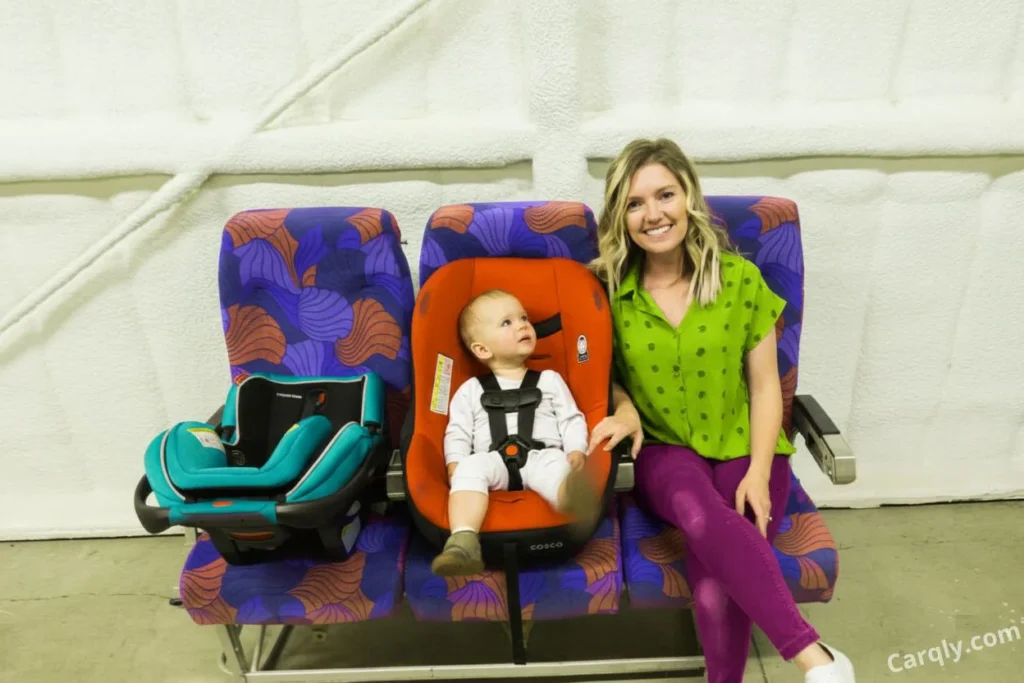
Check the seat’s label for FAA approval and measure its width to ensure it fits airline seats (typically 16 inches max). Purchase a ticket for your child to guarantee space.
Step 2: Prepare for the Airport
Pack the seat in a carry bag or use a stroller frame for transport. Arrive early to board with family pre-boarding options.
Step 3: Install on the Plane
Secure in a window seat using the lap belt through the forward-facing path. Ensure the child is harnessed snugly, and remove any add-ons like cup holders during takeoff.
Common Mistakes to Avoid When Using FAA Approved Booster Car Seat
Avoid these pitfalls to ensure safe travel:
- Using a Booster Without Harness During Flight: Boosters are prohibited during takeoff/landing; always use harness mode.
- Not Buying a Separate Seat: Lap-holding increases injury risk; always ticket your child.
- Improper Installation: Skipping manual instructions or using aisle seats can lead to non-compliance.
- Overlooking Width Limits: Bulky seats may not fit, forcing gate-checking.
- Ignoring Airline Policies: Not researching carrier rules can result in denials—check sites like FAA.gov.
Top 10 Options for FAA Approved Booster Car Seat in 2026
Explore the best FAA approved booster car seats for 2026, focusing on lightweight, versatile models.
Comparison Table
| Seat | Price | Pros | Cons |
|---|---|---|---|
| Cosco Finale 2-in-1 | $80 | Lightweight (12 lbs), converts to booster, fits narrow seats | Limited padding for long flights |
| Graco SlimFit 3-in-1 | $200 | 3-in-1 versatility, slim design, cup holders | Heavier at 19 lbs |
| Chicco KidFit ClearTex Plus | $150 | Removable back for travel, eco-friendly fabric, easy to clean | Higher price for features |
| Nuna AACE | $250 | High crash test scores, rigid LATCH, adjustable | Premium cost |
| mifold hifold fit-and-fold | $130 | Folds compactly, up to 120 lbs | Not ideal for very young kids |
| Cybex Solution G2 Folding | $180 | Folds for storage, high weight limit | Bulkier when unfolded |
| Evenflo Maestro Sport | $100 | Affordable, dual cup holders, 10-year expiration | Basic design |
| Diono Monterey XT | $140 | Reclines for comfort, narrow fit | Heavier at 15 lbs |
| Britax Highpoint | $170 | Steel frame, energy-absorbing foam | Limited color options |
| Peg Perego Viaggio Flex 120 | $220 | Italian design, adjustable headrest | Expensive |
Frequently Asked Questions
What Makes a Booster Seat FAA Approved?
It must have the certification label and be harnessed for flight use; boosters without harnesses are prohibited during key phases.
How Do I Install an FAA Approved Booster Car Seat on a Plane?
Follow the manual: Secure with lap belt in a window seat, ensuring forward-facing orientation.
Are FAA Approved Booster Car Seats Safe for Everyday Car Use?
Yes, they’re dual-certified for vehicles and aircraft, offering comprehensive protection.
For related reads, see our article on the best stroller and infant car seat.
Conclusion
In summary, an FAA approved booster car seat is essential for safe, compliant air travel with kids in the U.S., offering benefits from enhanced safety to versatile use. By choosing certified models, following best practices, and avoiding common errors, you can ensure smoother journeys. Explore options like the Cosco Finale for 2025 and prioritize your family’s well-being. Ready to travel safely? Check out FAA guidelines and book your next flight today—subscribe for more car seat tips!