Understanding the Louisiana Bill of Sale Process
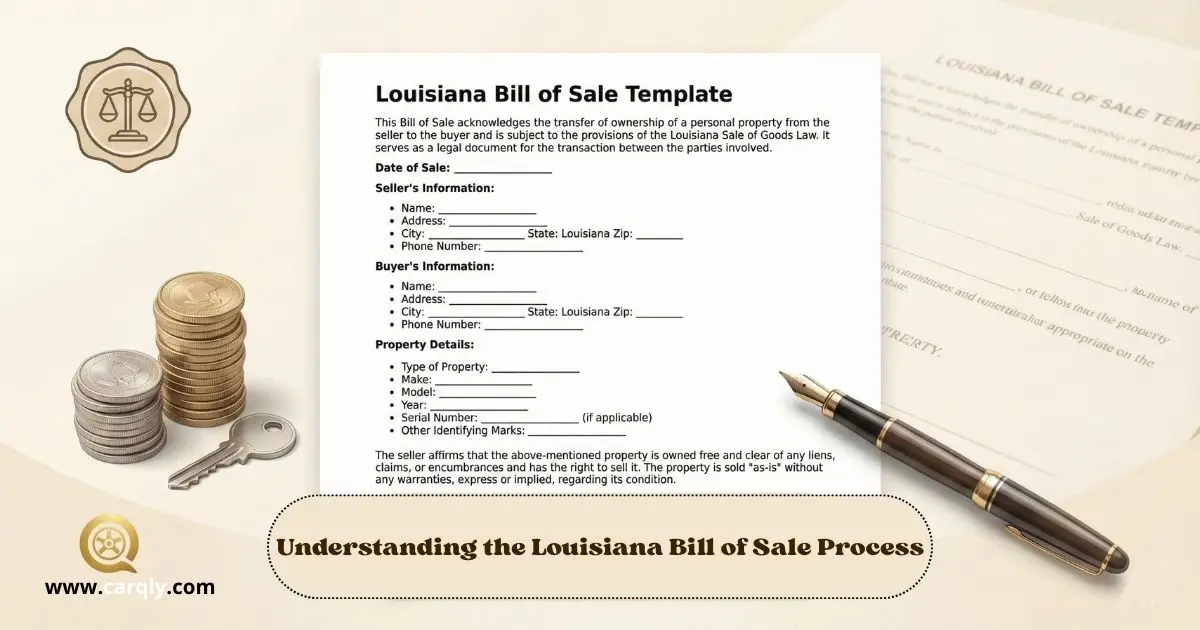
Navigating the Louisiana bill of sale process might feel overwhelming at first, but it’s a key part of any major purchase or sale involving personal property. Think of it as your official receipt that proves ownership has changed hands—whether you’re dealing with a car, boat, or other valuables.
Table of Contents
In Louisiana, this document isn’t optional for many transactions; it’s required to keep everything above board and protect both buyer and seller. It creates a clear trail of the deal, helping avoid disputes down the line.
We’ll break it down step by step, from what it is to how to fill one out correctly. By the end, you’ll feel ready to tackle your next transaction without the stress.
What Is a Louisiana Bill of Sale?
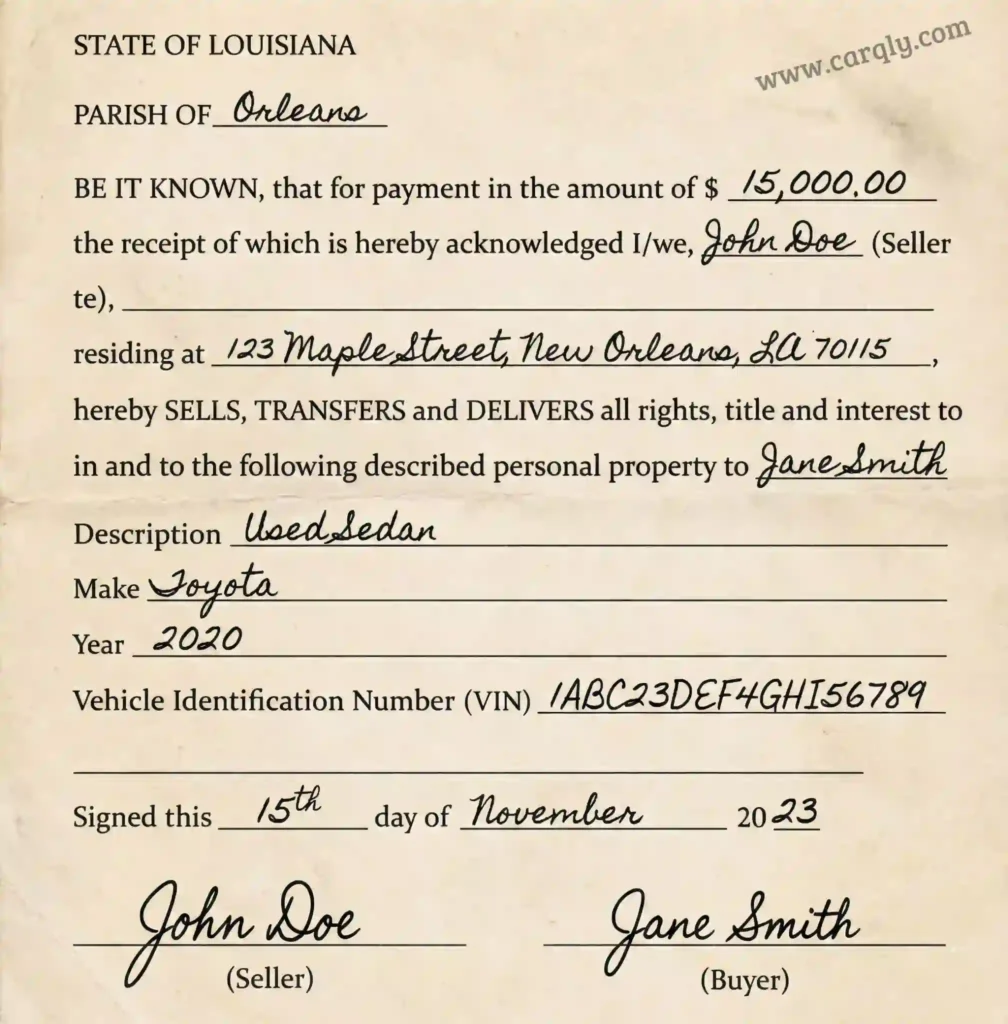
A Louisiana bill of sale is essentially a legal contract that documents the handover of property from seller to buyer. It’s used for big-ticket items like vehicles or boats, and it’s way more than just busywork—it’s your proof that the deal went through smoothly.
Key details to include:
- Full names and addresses of both buyer and seller
- A thorough description of the item (e.g., make, model, and serial numbers)
- The sale price agreed upon
- The exact date of the transaction
For cars, don’t forget the Vehicle Identification Number (VIN)—it’s crucial for registration later. If you’re looking for a ready-made form, check out this free Louisiana motor vehicle bill of sale template.
Why You Need a Bill of Sale in Louisiana
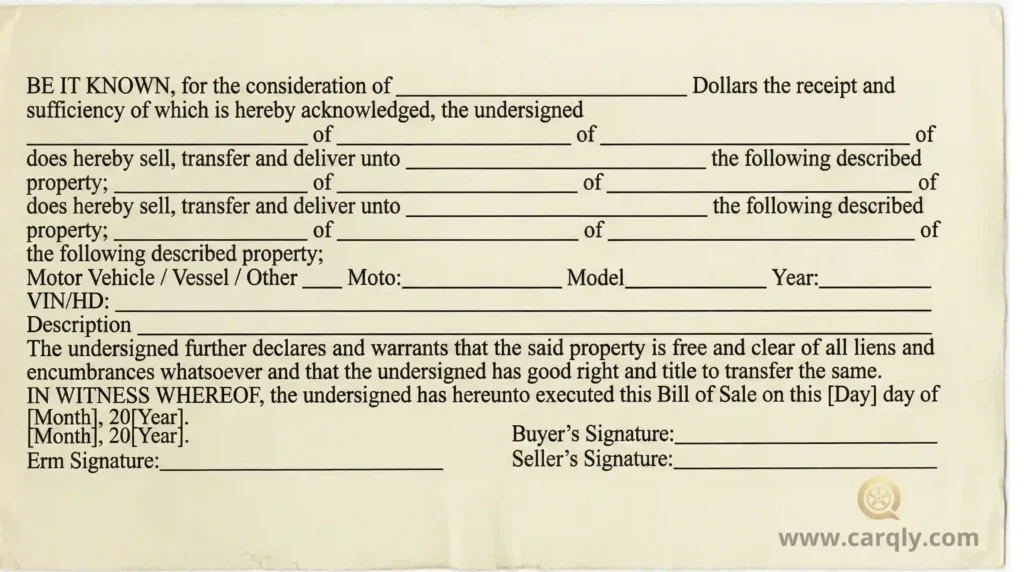
Simply put, a bill of sale in Louisiana is your safety net. It proves the purchase happened, outlines the terms, and shields you from future headaches like ownership claims or tax issues.
Here’s why it’s non-negotiable:
- It’s needed for registering vehicles or boats with the state.
- It helps settle any arguments about what was sold and for how much.
- Some insurers won’t cover you without it.
In short, skipping this step could lead to legal snags—better safe than sorry.
Legal Requirements for a Bill of Sale in Louisiana
Louisiana has straightforward rules to make sure your bill of sale holds up in court. Get these right, and you’ll avoid complications.
Must-haves include:
- Buyer and seller details (names, addresses)
- Item specifics (description, identifiers like VIN)
- Sale price and date
- For vehicles: Make, model, year, and odometer reading
You can handwrite or type it, but both parties must sign. Notarization isn’t always required but adds extra credibility—especially for high-value items. Always double-check state-specific rules via the Louisiana Office of Motor Vehicles website. For a deeper dive into all requirements, including notarization specifics and comparisons to other states, explore our detailed guide on Louisiana Bill of Sale Requirements.
Types of Louisiana Bill of Sale Forms
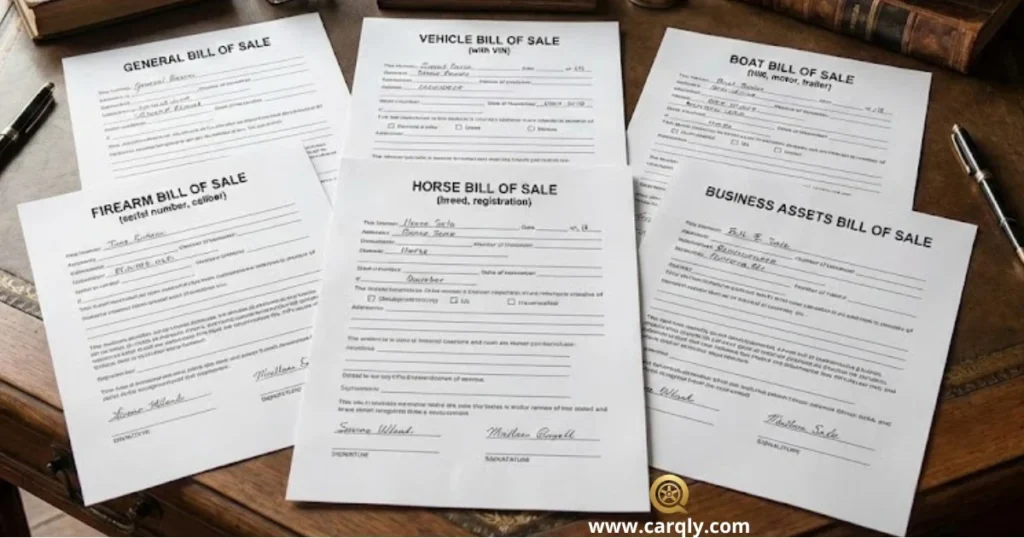
Different sales call for different forms in Louisiana, each tailored to capture the right details.
Popular ones:
- Vehicle Bill of Sale: For cars, trucks, or bikes—includes VIN and mileage.
- Boat Bill of Sale: Covers hull ID and registration numbers.
- General Bill of Sale: For everything else, like furniture or equipment.
Picking the right one ensures nothing slips through the cracks.
How to Complete a Bill of Sale in Louisiana
Filling out the form is easier than you think if you take it one section at a time.
Start with buyer/seller info—make sure it’s spot-on. Then describe the item in detail: For a vehicle, list the VIN, mileage, and any defects.
Add these too:
- Sale date and price
- Payment type (cash, check, etc.)
- Any “as-is” clauses or warranties
Sign it (both of you), and consider notarizing for peace of mind. Keep copies! If you need help with vehicle transfers, refer to the official Louisiana DMV guidelines.

Using a Bill of Sale Template
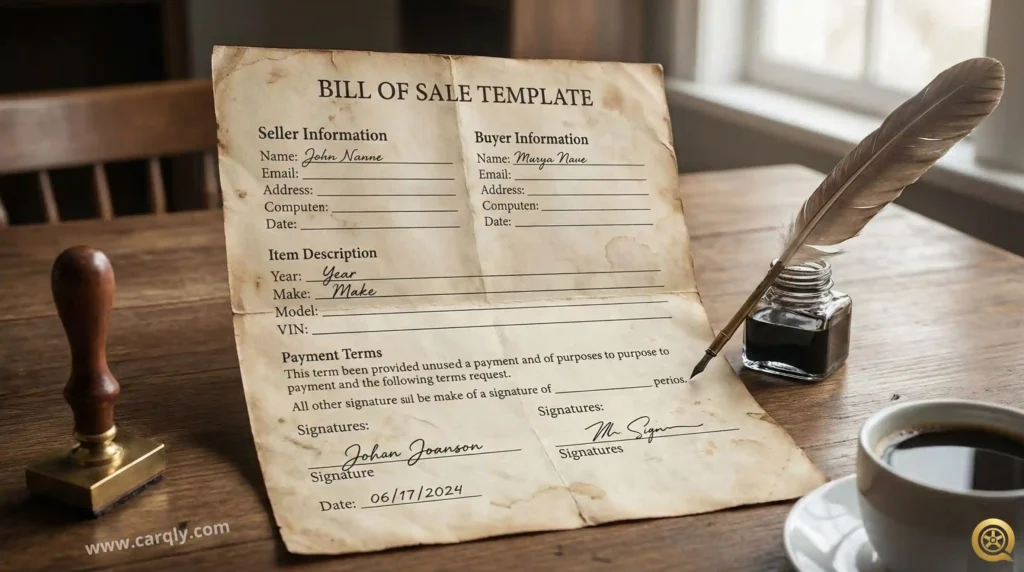
Templates are a game-changer—they guide you through without missing a beat. Just pick one that fits your sale type.
Look for features like:
- Pre-filled sections for parties involved
- Spots for item details and terms
- Signature areas
Free options abound online, such as this Louisiana bill of sale form from Legal Templates. It saves time and keeps things professional.
Common Mistakes to Avoid
Little errors can cause big problems, so watch out.
Top pitfalls:
- Forgetting key info like addresses or descriptions
- No signatures—makes it invalid
- Skipping notarization when it’s wise
Always proofread.
Frequently Asked Questions
Got questions? You’re not alone.
Is notarization required for all bills of sale?
Not always, but it’s recommended for vehicles.
Can I use a digital bill of sale?
Yes, as long as it’s signed electronically and meets state rules.
What if the VIN is incorrect?
Fix it immediately—it could void the sale and complicate registration.
Consult local laws for your specific case.
Final Tips for Buyers and Sellers
Wrapping up: A solid bill of sale makes transactions hassle-free. Verify everything, keep records, and notarize if possible.
Pro tip: If you’re selling a car, notify the state via the Notice of Vehicle Transfer form. This protects you from future liabilities.
With these steps, you’ll handle Louisiana bill of sales like a pro. If you need more tweaks, let me know!